Iron Supplements: 5 Weird Signs of Deficiency, Side Effects, and Effective Treatment
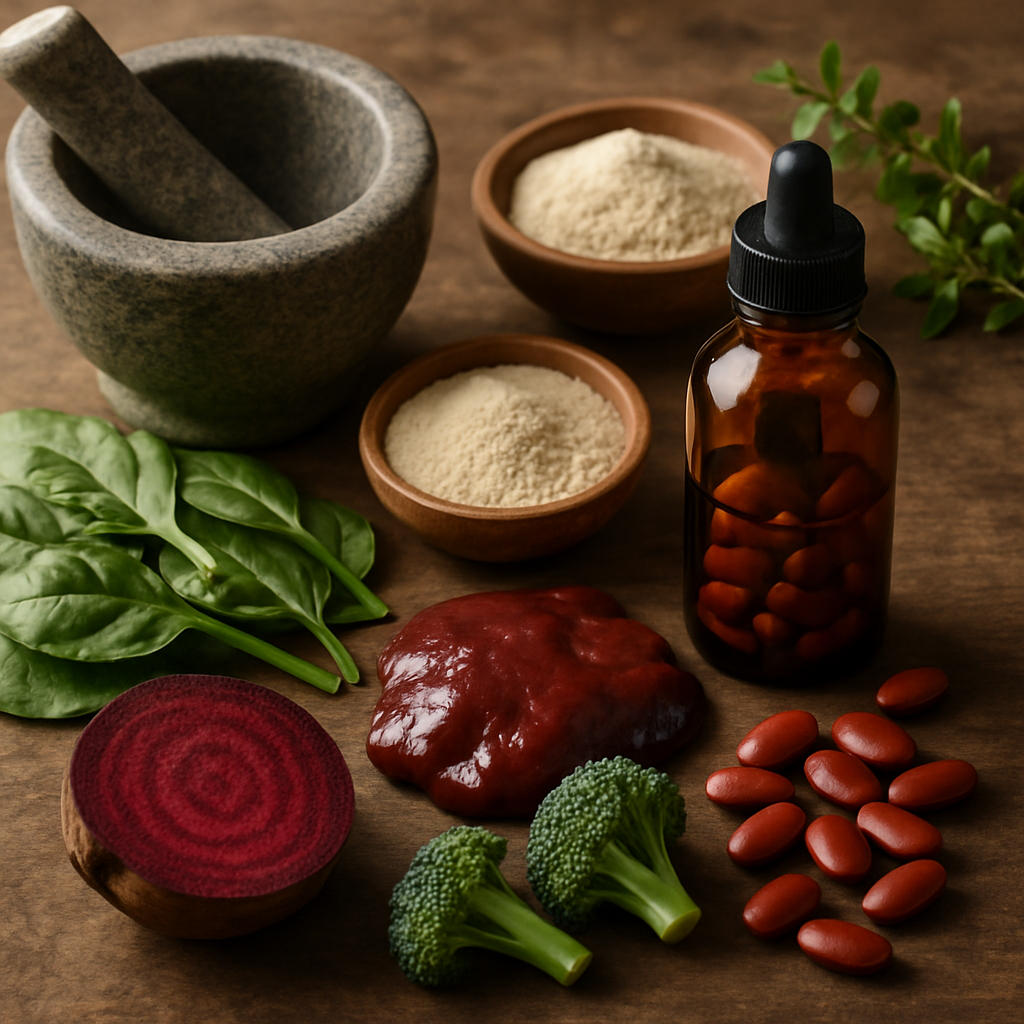
If you are feeling unexplainably tired, have noticed changes in your appearance, or are experiencing unusual symptoms, iron deficiency may be a hidden culprit. Iron supplements are a proven treatment for iron-deficiency anemia, but recognizing the body's subtle and strange warning signs is just as essential as understanding potential side effects and how to properly treat low iron levels. This article uncovers five weird signs of iron deficiency, explores why they happen, breaks down common side effects of iron supplements, and guides you through effective solutions for restoring your health.
Unexpected Warning Signs That May Indicate Low Iron
Not all symptoms of iron deficiency are obvious. While fatigue and pale skin are classic indicators, there are other signs many people overlook. Recognizing these can prompt you to seek early testing and intervention. According to information from Boston Children's Hospital, iron deficiency can manifest in many ways before causing serious health issues.
- Unusual cravings (Pica): Craving non-food items like ice, dirt, or starch may be linked to low iron levels in both children and adults.
- Restless legs syndrome: A constant urge to move your legs, especially at night, has been associated with iron deficiency anemia.
- Sore or swollen tongue: Changes in your tongue's appearance, such as swelling, soreness, or smoothness, can be another overlooked symptom.
- Brittle nails or hair loss: Thinning hair or nails that easily break may signal the body's struggle with insufficient iron.
- Frequent infections: Iron is essential for immune function. Recurring infections can indicate that your body’s stores are running low.
These symptoms may not always appear together but should raise suspicion if you are at increased risk for iron deficiency, such as menstruating females, vegetarians, or those with chronic blood loss.
How Iron Supplements Alleviate Deficiency
When blood tests confirm low iron, supplementing orally is often the first step in treatment for mild to moderate cases. Iron is a foundational mineral in building hemoglobin, which carries oxygen throughout the body (Cleveland Clinic). Supplementation works to replenish iron stores, resolve anemia, and restore energy levels over weeks to months of consistent use.
Oral iron tablets or capsules should be taken as prescribed, often with vitamin C to increase absorption. For some, liquid iron may be easier to tolerate. In severe or refractory cases, intravenous (IV) iron or blood transfusions may be required, especially if oral supplements are not effective or tolerated. Addressing underlying causes such as heavy menstrual bleeding or gastrointestinal blood loss is an equally vital part of effective treatment.
Diet also plays an important role. Consuming iron-rich foods like lean meats, beans, spinach, and fortified cereals, alongside supplements, can help restore normal levels. Absorption is highest when iron is taken on an empty stomach, but those with sensitive stomachs may benefit from taking it with food, even if this reduces absorption somewhat.
Common and Uncommon Side Effects of Iron Remedies
Iron supplements are generally safe but can have side effects. The most frequent include gastrointestinal upset such as constipation, nausea, and dark stools. Drinking plenty of fluids, increasing dietary fiber, or switching formulations can alleviate these issues. Some may develop mild stomach pain or diarrhea; changing the iron salt or using a slow-release tablet can help.
Less commonly, oral iron can cause a metallic taste, staining of the teeth (with liquid forms), or, rarely, allergic reactions. Most side effects are manageable and not a reason to stop therapy abruptly. Reporting persistent or severe symptoms to your healthcare provider allows for timely adjustments and better outcomes.
IV iron may be reserved for individuals intolerant of oral preparations but can occasionally cause a temporary metallic taste, headache, or, rarely, more serious reactions. Monitoring during administration decreases these risks.
Treatment Steps and Tips for Lasting Improvement
Treating iron deficiency anemia requires both restoring iron levels and resolving contributing factors. Begin with a thorough health evaluation, including a complete blood count and ferritin to confirm the diagnosis. Your care plan may include:
- Taking prescribed iron supplements consistently and as directed.
- Pairing your supplement with vitamin C (such as orange juice) to boost absorption.
- Limiting intake of tea, coffee, and high-calcium foods at the time of supplementation, since these can inhibit iron uptake.
- Including iron-rich foods in your diet such as red meat, poultry, beans, tofu, and leafy greens (Better Health Victoria).
- Treating the underlying source of blood loss if detected (e.g., heavy periods or GI issues).
Follow-up with your healthcare provider is essential to confirm that your blood levels normalize and symptoms resolve. Most people respond well and notice improvement within a few weeks, but ongoing monitoring prevents recurrence or unrecognized complications. Always seek professional advice before starting new supplements, especially if you have chronic health conditions or are pregnant.
When to Seek Further Medical Evaluation
If signs of iron deficiency—strange cravings, leg restlessness, or noticeable changes in your hair, nails, or immune health—appear despite supplementation, re-evaluation may be needed. Persistent symptoms or intolerance to oral iron could signal absorption problems, ongoing blood loss, or rare genetic disorders like iron-refractory anemia. Only thorough medical review and lab testing can ensure you receive the best solution for your needs.
By being attentive to both the familiar and unusual signs of iron deficiency, and understanding how to use iron supplements safely and effectively, you can greatly reduce symptoms, restore energy, and improve overall well-being.


Comments
Post a Comment