Iron Supplements: Food for Anemia, Side Effects, and 5 Weird Signs of Deficiency
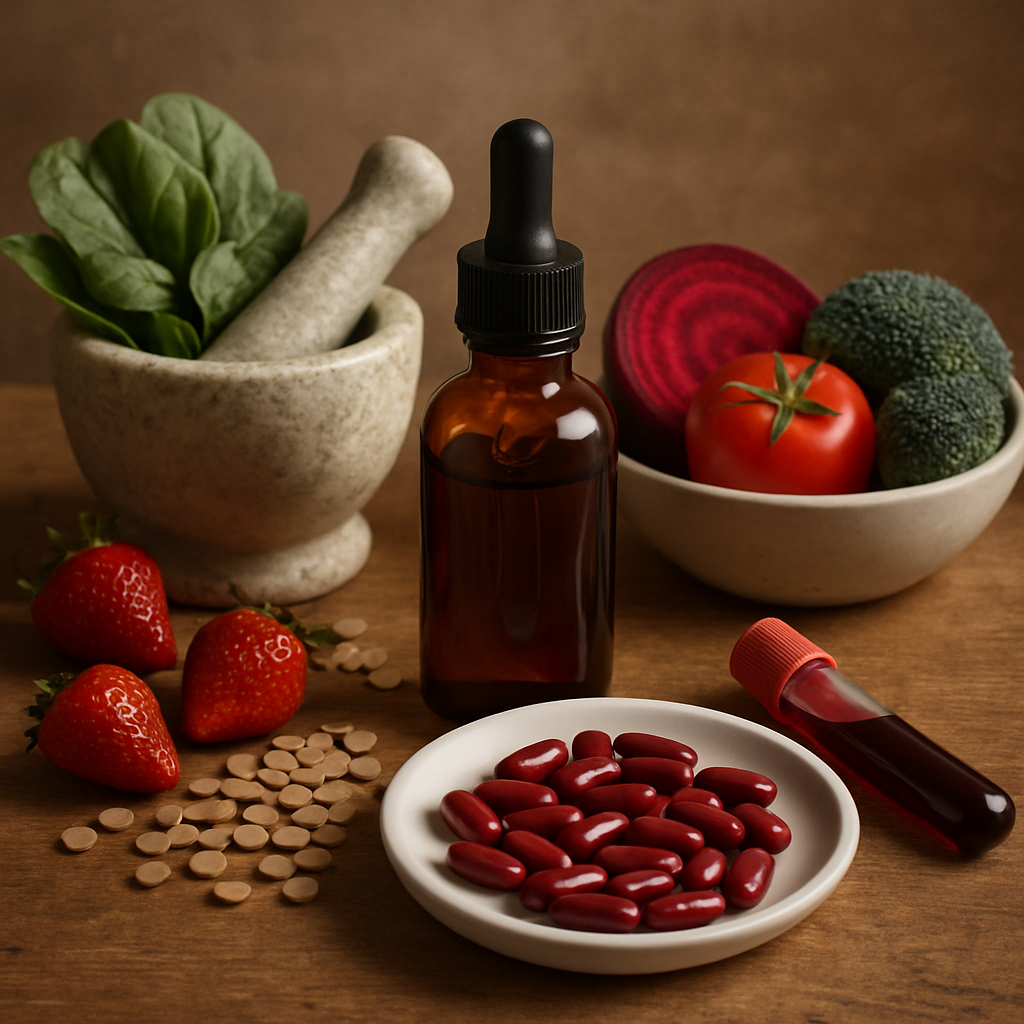
Understanding Iron Supplements and Their Role in Treating Anemia
Iron supplements are widely used to address iron-deficiency anemia—a blood disorder where the body lacks enough iron to produce adequate hemoglobin, leading to fatigue, pale skin, and increased heart rate. These supplements are often recommended when dietary iron from food is insufficient. Oral iron therapy remains the first-line treatment, as it helps restore optimal red blood cell function and prevents complications associated with low iron. Early identification of deficiency and proper management are vital for health, especially in children and women, who are more susceptible to this condition (Boston Children's Hospital).
Foods That Support Iron Levels in Anemia Management
Consuming iron-rich foods works hand-in-hand with supplements to reverse and prevent iron-deficiency anemia. Dietary sources include both heme iron from animal products and non-heme iron from plant-based foods. Heme iron, found in lean meats, poultry, and fish, is best absorbed by the body. On the plant side, beans, lentils, tofu, spinach, and iron-fortified cereals are good choices.
To maximize iron absorption, it is beneficial to pair these foods with vitamin C-rich produce such as oranges, bell peppers, or strawberries. Meanwhile, compounds in tea, coffee, and whole grains can inhibit iron uptake and should be consumed separately from iron-rich meals. Clinical recommendations often combine dietary improvements with oral iron therapy for a comprehensive approach to mild cases of anemia (Boston Children's Hospital).
Some individuals, especially vegetarians and young children, may require extra attention to meeting daily iron needs through both food choices and supplementation. Over time, proper dietary habits may reduce reliance on pills and maintain healthy blood levels.
Dietary changes must be sustained and tailored to reflect changing needs throughout different life stages, including pregnancy, childhood, and adolescence.
Potential Side Effects of Iron Supplementation
While iron supplements are generally safe when used correctly, they can sometimes cause side effects. The most common include gastrointestinal discomfort such as nausea, constipation, abdominal pain, and dark-colored stools. Some individuals also experience diarrhea or a metallic taste in the mouth.
To minimize these symptoms, it is often recommended to take iron supplements with food; however, certain foods and beverages can reduce their absorption effectiveness. Liquid iron formulations may be less irritating for sensitive stomachs. Severe stomach upset warrants medical advice, as alternate formulations or intravenous therapy may be necessary for some patients, particularly when high doses are indicated for severe deficiency.
Long-term misuse or accidental overdose—especially in children—can be dangerous, causing toxicity and organ damage. Patients should always follow prescribed dosages and consult a physician if they experience persistent or severe symptoms (Cleveland Clinic).
5 Weird Signs of Iron Deficiency You Should Know
- Pica: A craving for non-food items like ice, clay, or starch can signal iron deficiency, particularly among children and pregnant women.
- Restless Legs Syndrome: Unusual sensations and the irresistible urge to move your legs at night are sometimes linked to low iron stores.
- Brittle Nails: Thin, spoon-shaped nails may indicate a long-standing lack of iron (AMA).
- Tongue Changes: A swollen, sore, or oddly smooth tongue may result from iron deficiency affecting mouth tissues.
- Cold Hands and Feet: Decreased hemoglobin can reduce oxygen delivery, causing frequent feelings of cold, especially in the extremities.
Managing Iron Deficiency: Treatment, Monitoring, and When to Seek Help
Effectively treating iron-deficiency anemia begins with accurately identifying the underlying cause—whether from dietary insufficiency, blood loss, or medical conditions affecting absorption. Mild cases often resolve with increased dietary intake and oral supplements, but more severe or persistent cases may need intravenous iron or, rarely, blood transfusions.
Regular blood tests are necessary to monitor hemoglobin levels and response to therapy. Healthcare providers assess for potential underlying issues, such as gastrointestinal bleeding or chronic diseases, if iron levels do not improve as expected. Managing coexisting risk factors, like heavy menstrual periods or chronic kidney disease, is also essential for preventing recurrence.
Side effects should be communicated quickly to a doctor, as dose adjustments or different formulations can improve tolerance. Children and women of reproductive age require special attention to prevent relapse.
If you experience symptoms such as persistent fatigue, pale skin, unexpected cravings, or rapid heartbeat, seek medical attention for evaluation and possible testing, as timely treatment leads to better outcomes.
Understanding the role of iron supplements, recognizing both classic and unusual symptoms, and combining dietary strategies offer a comprehensive approach to addressing and preventing iron-deficiency anemia.


Comments
Post a Comment