Signs Of Zinc Deficiency In Females: Symptoms, Skin and Neurological Changes Explained
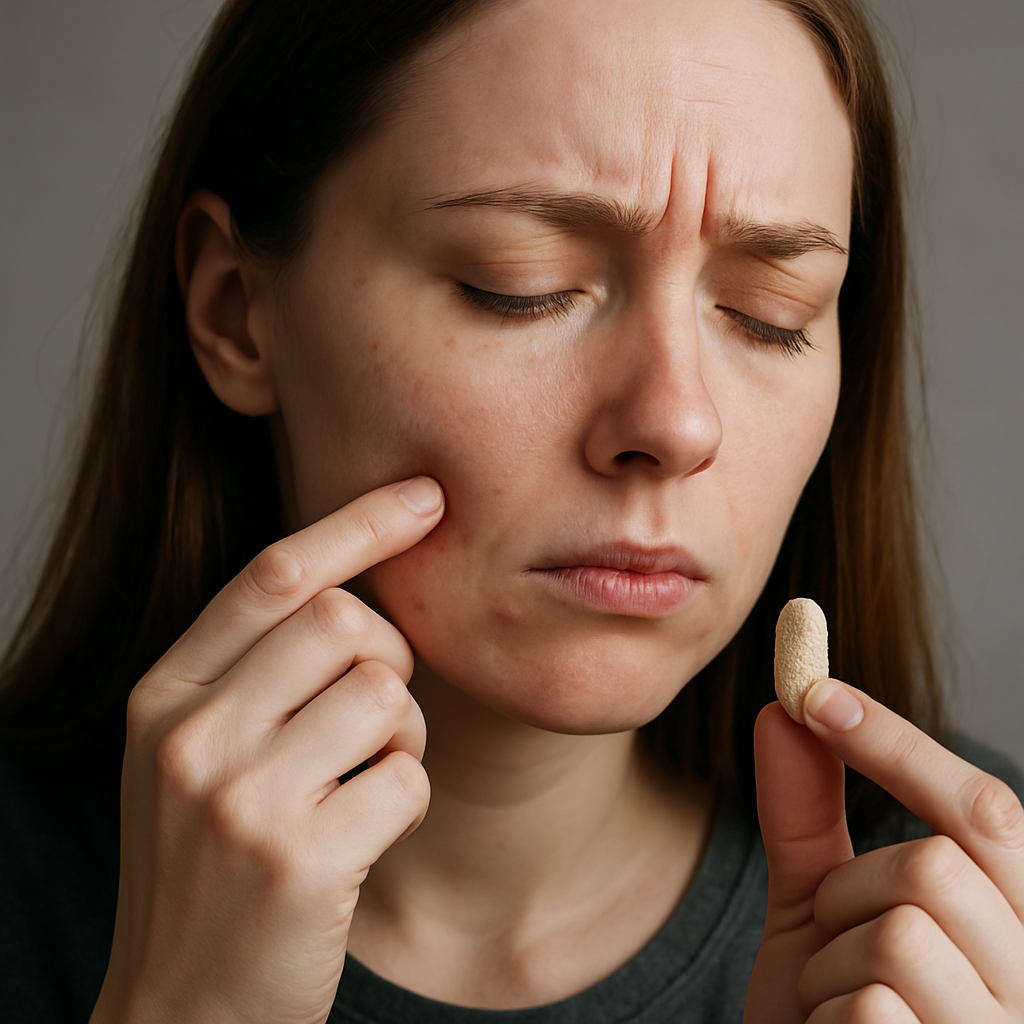
Zinc is an essential trace mineral required for hundreds of biological functions, and women are particularly vulnerable to its deficiency due to hormonal shifts, reproductive demands, and dietary factors. Recognizing signs of zinc deficiency in females, which often manifest through skin changes, neurological symptoms, and sometimes unusual nail alterations, is vital for prompt detection and treatment. Without intervention, low zinc can impact overall well-being, reproductive health, and daily functioning. Here, we clarify the real-world symptoms, possible causes in women, and highlight both skin and neurological manifestations with medically-verified information.
How Zinc Shortfalls Affect Women’s Skin, Nails, and Immune System
Zinc deficiency influences many tissues, but in women, the initial warning signs frequently appear in the skin and nails. Zinc supports collagen formation, immune defense, and cellular turnover—crucial for healthy skin barrier and healing capacity.
Early symptoms commonly noticed are:
- Persistent or frequently recurring rashes, eczema-like patches, or periorificial dermatitis around the mouth and eyes.
- Unusual nail changes such as white spots, ridges, or brittle nails that split easily—a change sometimes discussed among women on health forums like Reddit.
- Slow wound healing and susceptibility to minor skin infections, since zinc aids immune cell function and reduces inflammation.
Women who experience unexplained or chronic dermatological issues are encouraged to discuss zinc status with their healthcare provider. Inadequate zinc intake, especially in vegetarians, those with eating disorders, or after gastrointestinal surgeries, magnifies the risk.
Zinc-deficiency–related skin and nail symptoms are not exclusive to any age group, but may intensify during pregnancy, lactation, and menopause, periods when zinc requirements shift. Professional assessment is advised if such symptoms persist or worsen.
Recognizing Neurological Symptoms and Cognitive Changes
Emerging research confirms that zinc is fundamental for neurotransmitter regulation and brain health. In females, mild to moderate deficiency can trigger subtle but impactful neurological and psychological symptoms.
The most commonly reported neurological symptoms tied to zinc inadequacy include:
- Poor concentration and memory lapses, particularly in older women, sometimes mistaken for stress or aging.
- Irritability, mood swings, and even mild depression, reflecting zinc’s role in modulating neurotransmitter activity and stress responses.
- Less frequently, tingling sensations or numbness in extremities may occur due to disrupted nerve conduction.
It's important to recognize that these neurological symptoms may be subtle or overlap with other conditions. When combined with skin or nail changes, a zinc deficit becomes a more likely consideration.
Women with chronic illnesses (such as inflammatory bowel disease) or those taking medications that impede zinc absorption should be especially vigilant to these signs, as outlined by the Cleveland Clinic.
Zinc Deficiency in Female Reproductive Stages
Zinc needs fluctuate based on a woman’s life stage. During pregnancy and breastfeeding, demand for zinc increases significantly. Inadequate dietary intake during these phases can cause adverse effects for both mother and child, including increased susceptibility to infections, skin rashes, and impaired wound healing, as specified by official health resources (NIH ODS).
Women with a history of irregular or heavy menstrual cycles, or with polycystic ovary syndrome (PCOS), may be at greater risk of zinc inadequacy. Deficiency during pregnancy may also raise the risk of maternal complications and poor birth outcomes.
Recognizing and addressing zinc deficiency at these sensitive periods requires heightened awareness among both women and clinicians.
In postmenopausal women, zinc’s antioxidanct properties help protect nervous system function and support skin integrity. Regular monitoring can prevent avoidable complications.
Treatment Strategies and When to Seek Help
Confirming zinc deficiency begins with recognition of pattern-based symptoms—especially unusual skin, eye, or nail changes paired with subtly shifting mood or cognition. Laboratory assessment of serum zinc (and possible exclusion of related conditions) is the gold standard for diagnosis.
Treatment typically involves dietary correction:
- Increasing foods rich in zinc, including red meat, nuts, legumes, seeds, and seafood.
- Supplementation may be required in cases of diagnosed deficiency or where absorption is impaired (e.g., gastrointestinal disorders).
Healthcare providers will determine the appropriate dosing and monitor for potential side effects or interactions. Self-supplementation without medical input is discouraged, as both underdosing and overdosing can be harmful.
If you experience any of the symptoms discussed—especially if you have an underlying digestive, inflammatory, or hormonal disorder—consult your healthcare provider for individualized evaluation and targeted treatment.
Prevention and Long-Term Wellness
Preventing zinc deficiency in females relies on a balanced diet enriched with bioavailable zinc sources. Women should inform their clinicians about unusual or persistent changes in skin, nails, or neurological function. Key preventive steps include:
- Eating a variety of protein foods such as lean meats, shellfish, dairy, legumes, nuts, and seeds.
- Monitoring for symptoms during high-risk periods, including pregnancy and menopause.
- Addressing any underlying gastrointestinal or absorption issues swiftly.
Staying informed and proactive can help reduce the risk of zinc deficiency–related complications throughout a woman's life.


Comments
Post a Comment