Zinc Picolinate Benefits vs Gluconate and Citrate: Immune Health, Dosage, and Side Effects
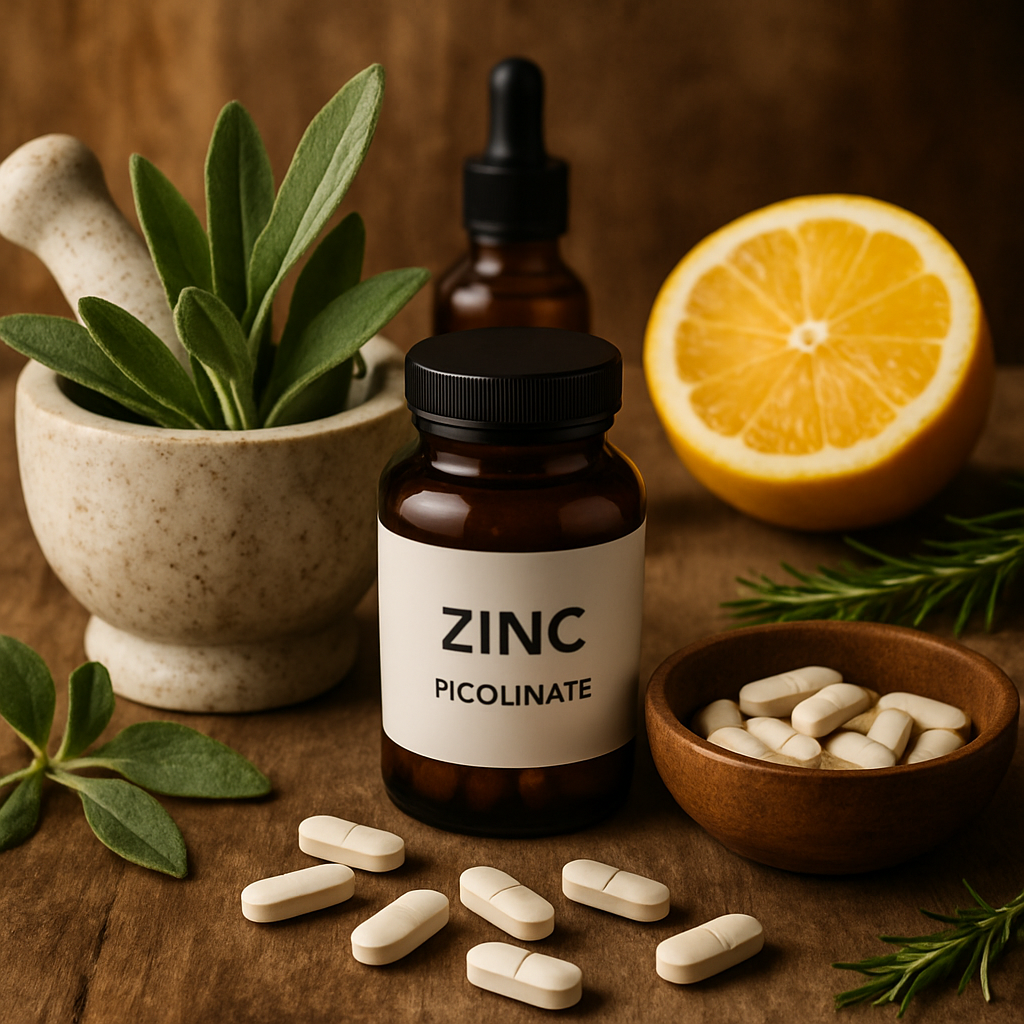
Zinc picolinate is often highlighted as a superior form of zinc supplement for supporting immune health, especially when compared to zinc gluconate and zinc citrate. The main advantage lies in zinc picolinate's absorption rate, which is generally higher than other forms, making it an appealing choice for those seeking to address or prevent zinc deficiency. This article examines the benefits of zinc picolinate compared to other forms, recommended doses, and the possible side effects to help you make informed decisions about your overall wellness and immunity support.
Understanding Zinc's Role in Immune Function and Cellular Health
Zinc is an essential micronutrient that influences multiple biological processes, particularly the immune function and cellular repair. Adequate zinc intake allows the immune system to work efficiently, enabling normal development and function of immune cells such as T cells and monocytes. Deficiency in zinc can lead to compromised defenses and higher susceptibility to infections, as confirmed by recent clinical reviews here.
One of the core mechanisms of zinc involves its participation as a catalyst and regulatory ion. As highlighted in scientific literature, balanced zinc levels are necessary for regulating pro-inflammatory cytokines and supporting healthy immune responses. Without adequate zinc—especially in vulnerable populations—immune function declines rapidly, raising the risk for severe viral infections.
The form of zinc you choose can affect its bioavailability and efficacy. Zinc picolinate is known to be highly absorbable, facilitating prompt incorporation into cellular pathways related to immune defense and tissue healing.
Comparing Zinc Picolinate, Gluconate, and Citrate: Absorption and Efficiency
While all three forms—zinc picolinate, zinc gluconate, and zinc citrate—are commonly available in supplement markets, they differ significantly in their absorption rates and physiological impact. Scientific investigations have shown that zinc picolinate delivers higher plasma concentrations of bioavailable zinc compared to the gluconate and citrate counterparts, which can lead to improved outcomes for individuals correcting mild to moderate deficiency.
Zinc gluconate is often chosen due to its broad availability and reasonable cost, while zinc citrate is favored by those seeking easier digestion. However, head-to-head research suggests that picolinate provides a more effective boost to zinc levels in those at risk for deficiency, such as older adults and individuals with certain dietary restrictions.
Consumers searching for 'zinc picolinate 15 mg near me' or on platforms such as Amazon will find that picolinate products frequently boast claims of improved absorption. While more head-to-head clinical trials in humans are needed, existing data support its reputation for bioavailability. You can examine homeostasis and absorption comparative data here.
Recommended Dosage: How Much Zinc Picolinate Is Optimal?
Choosing the right dosage depends on age, diet, and existing health status. For most adults, supplemental zinc doses ranging from 8 mg to 15 mg daily are considered safe and adequate for maintaining optimal immune health, unless increased physiological demand is present. It is important not to exceed the tolerable upper intake level of 40 mg per day for adults, as consuming higher doses can lead to adverse effects such as nausea or impaired copper absorption.
A 15 mg dosage of zinc picolinate is common in over-the-counter preparations and strikes a balance between efficacy and safety for most individuals. Patients with diagnosed deficiencies or chronic conditions that impair absorption may require different dosing, but this should always be managed under medical supervision to avoid unintentional overdose.
Pregnant women, teenagers, and those recovering from illness may have different zinc requirements. Adjusting dosage for these populations can maximize immune function while minimizing the risk of depletion or toxicity. Consulting with a healthcare provider remains the best approach before starting any new zinc supplement regimen.
Immune Health Benefits and Real-World Impact
The primary reason for zinc supplementation, especially in the form of picolinate, is its direct contribution to immune system defense. Zinc helps regulate both innate and adaptive immune responses, supporting barriers to infection and the body's ability to control and resolve inflammation. Recent studies underscore the importance of zinc for thymus gland function and T cell generation, mechanisms involved in resisting both bacterial and viral infections, including COVID-19 (source).
There is substantial evidence supporting zinc's role in modulating cytokine response, thereby lowering the risk of excessive inflammation that can lead to tissue damage in severe infections. By maintaining appropriate zinc levels through higher-bioavailability forms like picolinate, individuals can fortify their infection-fighting capacity naturally and effectively, with added benefit during seasonal viral outbreaks.
Zinc also functions as a structural element in numerous enzymes and proteins essential for DNA repair and cellular recovery. These benefits can be more pronounced for those undergoing physical stress, illness, or advancing age, when immune reserves may be challenged.
Potential Side Effects and Precautions
When used as directed, zinc picolinate is generally well tolerated and rarely causes severe adverse reactions. The most commonly reported side effects include gastrointestinal discomfort, such as nausea or mild stomach upset, especially when taken on an empty stomach. In some cases, higher-than-recommended doses may interfere with copper absorption and lead to imbalances over time.
Symptoms of excessive zinc intake include headache, loss of appetite, metallic taste, and changes in immune status. Rarely, long-term misuse can cause immune suppression, anemia, or neurological changes, which reinforces the importance of following established dosage guidelines. If you are taking medications or have chronic health issues, always consult a healthcare professional before starting any new supplements.
To minimize side effects, zinc should be taken with food whenever possible and combined with a balanced diet. Watch for adverse reactions and discontinue use if you experience persistent symptoms, seeking medical advice as needed.
Understanding the comparative benefits, ideal usage, and safety considerations of zinc picolinate versus gluconate or citrate will help you optimize immune health and avoid potential pitfalls associated with supplement use.


Comments
Post a Comment