Hormones Of Adrenal Medulla: Functions, Feedback Loop, and Role in Stress Response
Overview: The Medulla's Role in Hormone Production and Stress
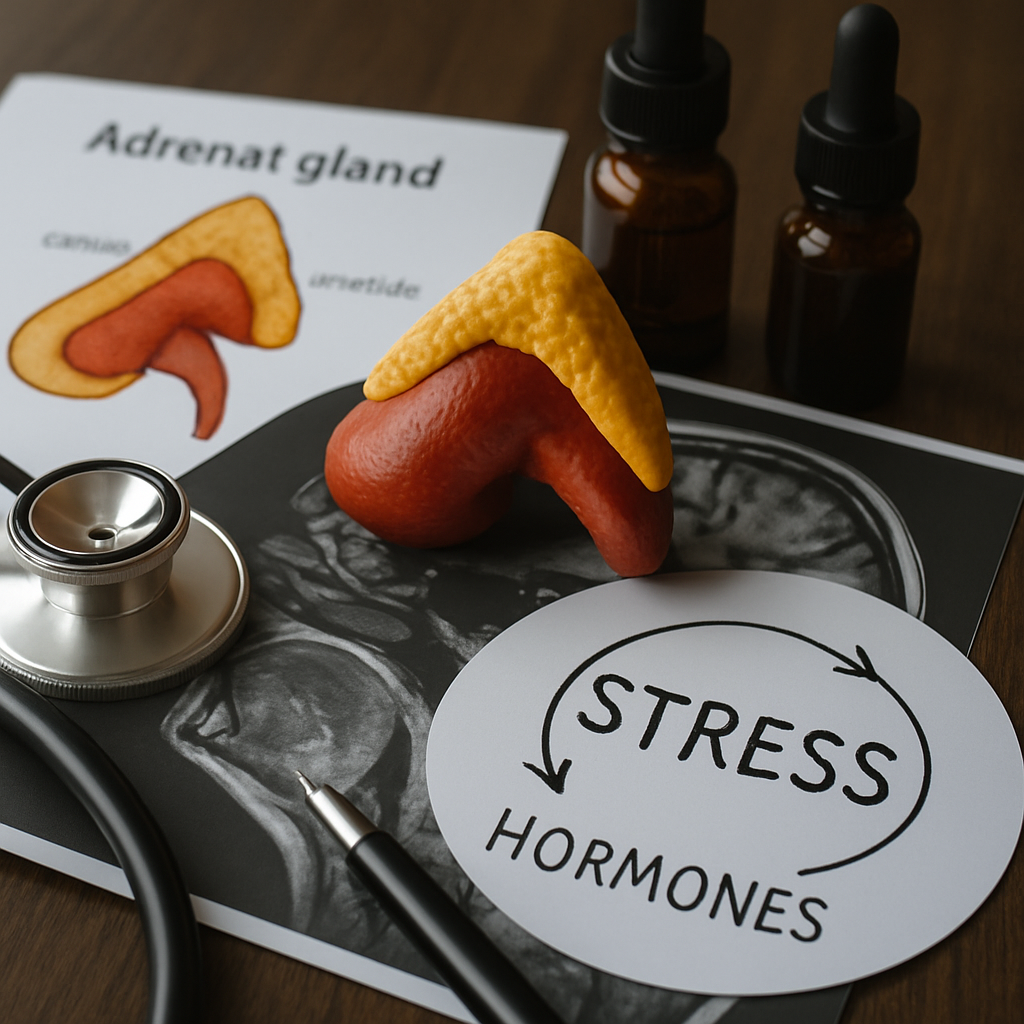
The adrenal medulla is vital for the body's immediate response to stress, producing key hormones that influence numerous physiological processes. These hormones, including adrenaline (epinephrine) and noradrenaline (norepinephrine), drive the fight-or-flight response, adjust heart rate, and affect blood glucose levels. The feedback loop involving the hypothalamic pituitary axis ensures precise regulation of these hormones. Understanding the adrenal medulla and its secretions offers insight into stress adaptation and various hormonal imbalances. For a comprehensive summary, see the Endocrine Society's page on adrenal function.
Key Hormones Produced by the Adrenal Medulla
The adrenal medulla primarily secretes two catecholamines: epinephrine and norepinephrine. These substances act rapidly to prepare the body for sudden activity, elevating alertness and metabolic readiness.
When a stressor is perceived, the hypothalamus signals the adrenal medulla via sympathetic nerves. This stimulation causes immediate hormone release. Adrenaline increases heart rate and energy availability, while noradrenaline constricts blood vessels to maintain blood pressure.
Dopamine, a precursor to both adrenaline and noradrenaline, is also produced in smaller quantities. It serves as a neurotransmitter and supports cardiovascular function. Collectively, these compounds enable rapid, coordinated responses to environmental challenges.
Unlike adrenal cortex hormones such as cortisol, medullary hormones are regulated by direct nervous input rather than hormonal signals from the pituitary gland, making their action nearly instantaneous.
How the Hypothalamic Pituitary Axis Regulates Secretion
The hypothalamic pituitary axis (HPA) plays a critical regulatory role in the body's response to stress. Although the adrenal medulla is mostly controlled by sympathetic nervous signals, its function is closely interlinked with the broader HPA axis, especially for long-term stress adaptation.
When stress continues for an extended period, the hypothalamus and pituitary gland influence cortisol release from the adrenal cortex. This hormone, in turn, interacts with medullary output, maximizing the body's physical and mental resilience.
The feedback loop ensures hormone levels remain within optimal ranges, preventing both excess and deficiency. Too much stimulation can lead to anxiety or hypertension, while insufficient output may cause fatigue and poor stress tolerance. The HPA and adrenal medulla must function in balance for ideal physiological adaptation.
Disruption of this axis is rarely due to so-called 'adrenal fatigue'—a term debated in current medical literature—but instead linked to actual endocrine disorders.
Precise regulation by the HPA feedback loop provides protective adaptation without allowing the stress response to spiral out of control, thus stabilizing blood sugar, maintaining proper circadian rhythm, and supporting general well-being.
Impact on Stress Response and Circadian Rhythm
The secreted hormones of the adrenal medulla play a decisive part in shaping the body's acute stress response. Adrenaline rapidly increases tissue oxygen delivery, enables increased energy substrate mobilization (glucose and fatty acids), and triggers heightened awareness.
This response is essential for managing sudden threats, strenuous activity, or major emotional events. However, chronic overactivation—such as from repeated life stressors—can disrupt circadian rhythm, resulting in sleep problems and altered melatonin production.
Maladaptation of the stress response may contribute to hormonal imbalances in women and men, such as irregular progesterone levels or HPA axis disturbances often seen in persistent fatigue or mood issues. Recognizing these effects highlights why stress management is fundamental for endocrine and overall health.
Recognizing Symptoms and Homeostasis Disruptions
As hormones secreted by the adrenal medulla set off a range of effects, symptoms such as rapid heartbeat, increased sweating, and heightened alertness can appear during acute stress episodes. In some cases, an overactive response may precipitate anxiety attacks or hypertension, while underactivity may leave individuals susceptible to fatigue, poor response to stress, or even crisis during severe physical challenges.
The persistence of nonspecific symptoms—like tiredness, trouble sleeping, salt or sugar cravings—should be evaluated carefully, as these signs can result from numerous endocrine or non-endocrine conditions (Mayo Clinic overview). True adrenal impairment, such as Addison's disease, is rare and distinct from the loosely defined concept of 'adrenal fatigue.'
Effective therapeutic strategies often focus on restoring homeostasis in the HPA axis, supporting circadian rhythm, and ensuring balanced adrenal and pituitary function through nutrition, sleep hygiene, and professional endocrine care.
When the body's feedback systems are supported and healthy, the hormones of the adrenal medulla function optimally to help individuals thrive in the face of life's challenges.


Comments
Post a Comment