What Does the ICD-10 Code for Iron Deficiency Anemia Unspecified Indicate for Vitamin and Mineral Deficiencies in Pregnancy and Childhood?
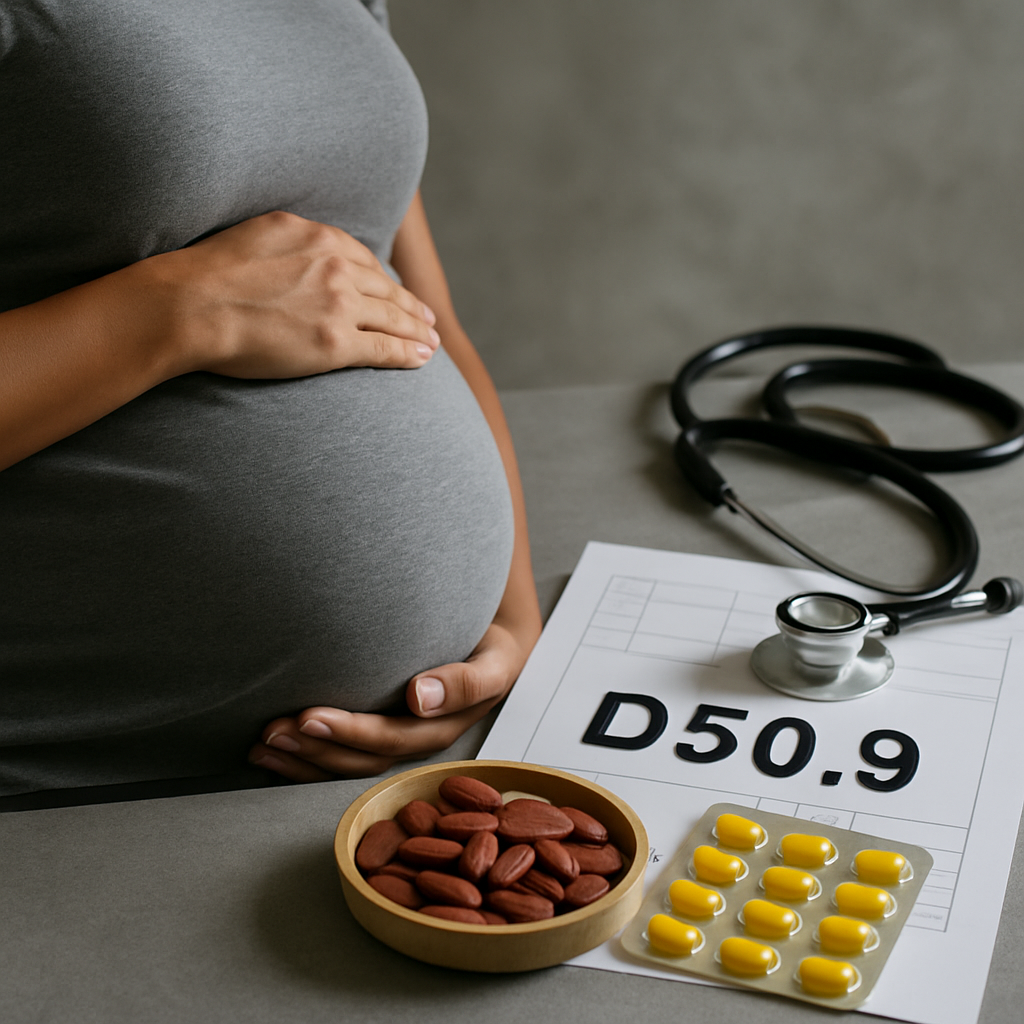
The ICD-10 code D50.9 is officially used to classify iron deficiency anemia when the specific cause is not established. This code is commonly applied to diagnose anemia resulting from low iron stores, a condition highly relevant during periods of rapid growth, pregnancy, or in settings of malnutrition. Understanding the implications of this code helps clinicians, patients, and coders recognize its connections to vitamin deficiencies, malabsorption syndromes, and the spectrum of nutritional anemia disorders. Accurate use of D50.9 enables timely interventions that can address the underlying causes and prevent chronic complications associated with iron and accompanying mineral deficiencies.
Recognizing Iron Deficiency Anemia: Key Diagnostic Features and Related Vitamin Imbalances
Iron deficiency anemia often presents with symptoms such as fatigue, pallor, and reduced exercise tolerance. These symptoms can overlap with deficiencies in other essential nutrients, particularly vitamin B12 (cobalamin) and folate, making a detailed nutritional assessment necessary.
Chronic iron deficiency has significant potential to coexist with other micronutrient insufficiencies, especially during childhood and pregnancy, when absorption demands are high. Clinicians may consider not only low ferritin levels but also evaluate for concurrent vitamin B12 or zinc deficiencies that might worsen anemia or complicate corrective measures.
When iron malabsorption is suspected, healthcare providers may also test for malnutrition and check for absorption issues, such as those caused by chronic gastrointestinal conditions or intolerance to oral iron supplements. Including laboratory studies for serum ferritin, transferrin saturation, and other micronutrients can help strengthen a precise diagnosis and guide dietary or pharmacological interventions.
Implications of ICD-10 Code D50.9 in Pregnancy, Childhood, and Growth Periods
Iron requirements increase substantially during pregnancy and growth spurts in childhood. The application of ICD-10 D50.9 is especially common in these groups, as dietary iron needs are often not met through food sources alone, putting individuals at risk for non-anemic iron insufficiency or borderline deficiencies.
The consequences of untreated iron deficiency in pregnancy are particularly severe, ranging from low birth weight to impaired neurological development. Timely recognition and documentation using the D50.9 code facilitate proper nutritional counseling and targeted iron, folate, or vitamin B12 supplementation, preventing further complications.
Children with a history of anemia should be evaluated for persistent absorption issues, such as those resulting from dietary restrictions, chronic disease, or inherited disorders affecting nutrient metabolism. Monitoring of ferritin, zinc, and copper levels is critical to ruling out other micronutrient imbalances and optimizing treatment.
Refer to this ICD-10 classification of Iron deficiency anemia, unspecified for additional criteria applied in pediatric and maternal health.
Nutritional Causes and Comorbidities: Malabsorption, Chronic Disease, and Mineral Deficiencies
While iron deficiency is usually linked to inadequate intake or blood loss, it can also result from malabsorptive states such as chronic inflammatory bowel disease, celiac disease, or after certain gastrointestinal surgeries. These conditions impair nutrient absorption, leading not only to iron deficiency but also mineral and vitamin imbalances involving zinc, copper, and sometimes cyanocobalamin (vitamin B12).
Patients with chronic anemia may show poor response to oral iron, indicating possible intolerance or inability to absorb nutrients—a scenario that prompts deeper evaluation for underlying absorption disorders. Documenting these findings with codes such as D50.9 streamlines communication between providers and insurers for comprehensive patient management.
There is growing recognition of other markers, such as hyperferritinemia or abnormal transferrin saturation, that help define the type and severity of anemia and identify related conditions like chronic malnutrition. Proper classification ensures that disease management encompasses all potential deficiencies, not just iron.
Associated Deficiency Syndromes: Vitamin B12, Folate, and Other Nutritional Anemias
Many patients coded with D50.9 may concurrently exhibit low levels of vitamin B12, folate, or other trace elements vital for erythropoiesis. Identifying these syndromes is essential, as the coexistence of multiple deficiencies can influence both presentation and therapeutic approach. For example, malabsorption of transcobalamin II can result in combined B12 and iron deficiency anemia.
Differentiating between iron deficiency due solely to diet and more complex cases involving chronic malnutrition or mixed deficiency states is necessary to optimize outcomes, especially in higher-risk populations such as children or during pregnancy. The history of anemia, presence of dietary restrictions, and individual nutrient absorption capacity play decisive roles in management strategy.
Practical Coding and Clinical Considerations: Using D50.9 for Accurate Classification
In clinical practice, applying ICD-10 D50.9 requires assessing whether the anemia is truly iron-deficient and whether the deficiency is isolated or part of a broader pattern including vitamin D, B12, copper, or selenium insufficiency. Coders must be careful not to confuse D50.9 with conditions of known etiology, such as blood loss or chronic inflammatory disease.
To ensure comprehensive care, patients should undergo periodic nutritional assessment, particularly if they have factors that increase risk for absorption defects, such as gastrointestinal disease, pregnancy, or childhood developmental periods. Awareness of this classification can guide dietary recommendations and prompt healthcare teams to look for hidden micronutrient disorders.
You can find further details by reviewing the 2026 ICD-10-CM Diagnosis Code details and making use of updated anemia coding comparison tables for related deficiencies.
In summary, appropriate application of the ICD-10 code for iron deficiency anemia unspecified supports targeted diagnostic and treatment plans, highlights risks associated with vitamin and mineral deficiencies, and underscores the importance of comprehensive nutritional evaluation in pregnancy, childhood, and chronic health conditions.


Comments
Post a Comment