What to Know About Early Sweet Sugar Pie Pumpkin Seeds for Heirloom Mini Varieties
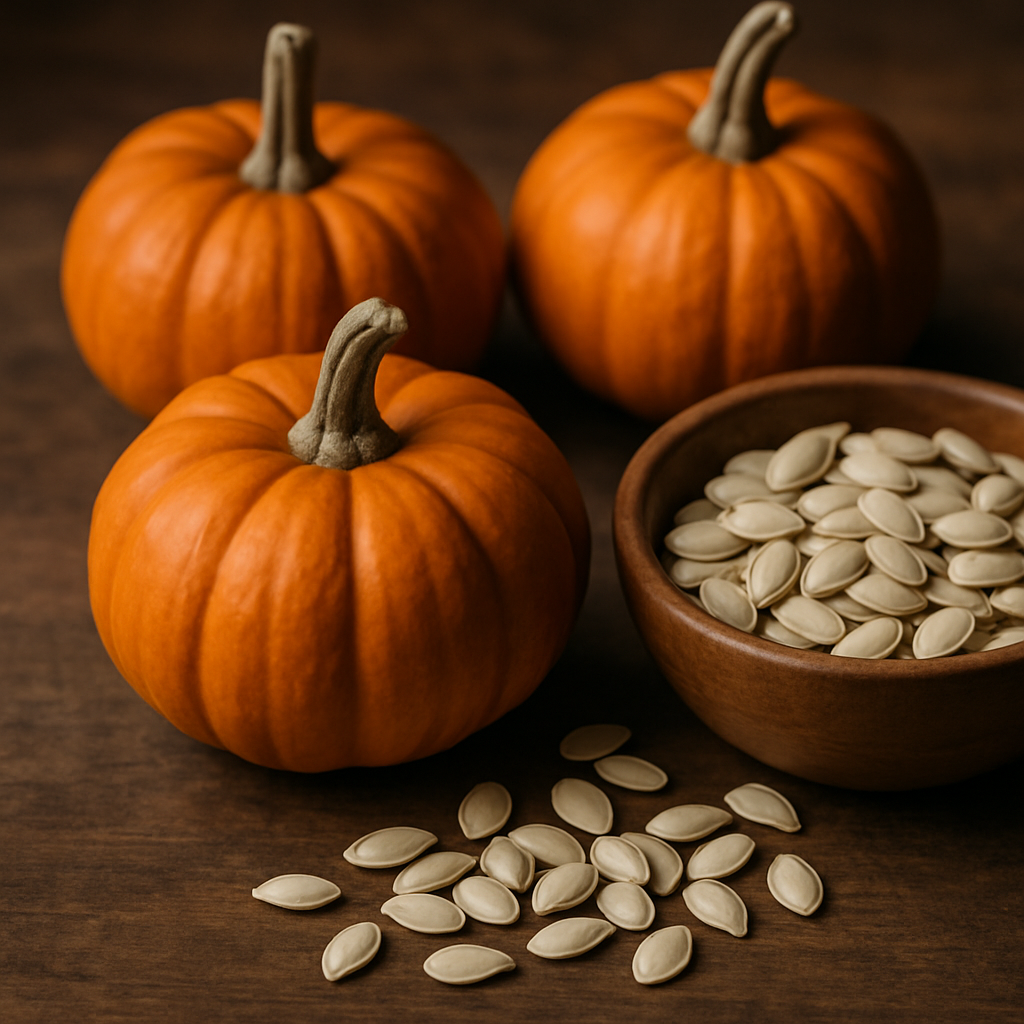
Understanding Early Sweet Sugar Pie Pumpkin Seeds and Their Heirloom Qualities
Early sweet sugar pie pumpkin seeds are an excellent choice for gardeners who want to grow small to medium-sized heirloom pumpkins with sweet, fine-grained flesh. These seeds are known for their reliability, short maturity window of approximately 85-100 days, and suitability for both novice and experienced growers. Whether you are interested in cultivating pumpkins for classic pies, soups, or festive autumn displays, these heirloom seeds offer robust flavor and exceptional storage capability. Early sweet sugar pie pumpkins thrive in various climates and are cherished by those wanting authentic, non-GMO produce in their gardens. For more on their heirloom status and characteristics, see the detailed Seed Guide from True Leaf Market.
The variety is commonly referred to as the New England pumpkin and has been a culinary favorite for generations. With fruit averaging 7-10" wide and a round, slightly flattened shape, these pumpkins are prized for both their decorative and edible qualities. When stored correctly, the pumpkins maintain their moisture and sweetness long after harvest.
Because these seeds are open-pollinated, each harvest preserves the unique traits of this authentic American variety. This helps gardeners save seeds for successive seasons while ensuring the fruit remains true to type.
Comparing Early Sweet Sugar Pie Pumpkin Seeds with Other Mini Pumpkin Varieties
When selecting the best pumpkin seeds for your needs, it is important to consider how early sweet sugar pie varieties stack up against similar mini to medium types. These seeds are distinct for their comparatively short sprouting and maturation times—germinating within 5-10 days and reaching harvest in as little as 85 days, unlike other mini varieties which may require up to 120 days.
Heirloom varieties such as the Sugar Pie are renowned for their rich historical roots and sweet flesh, setting them apart from other European, Seminole, or Japanese pumpkin strains. The taste is often described as less fibrous and more flavorful than larger or hybrid types, making them a staple for desserts and baking purposes.
If you are curious about detailed comparisons and historical references for these varieties, RareSeeds provides background and growing guidelines that are particularly helpful for planning your garden's pumpkin assortment.
Mini heirloom pumpkins like the Sugar Pie are especially favored for their ease of handling, predictable yields, and suitability for smaller growing areas compared to giant or specialty types.
Selection factors such as hulless seeds, unique flavors, or even regional popularity at stores like Kroger or Walmart should be considered, but the sugar pie’s heirloom pedigree and consistent sweetness make it a perennial garden favorite.
Optimal Growing Techniques for Sweet and Fine-Grained Results
To maximize your early sweet sugar pie pumpkin yield, follow key growing steps. Start seeds indoors 2-3 weeks before the last frost or directly sow in the garden when soil temperatures surpass 70°F. Use well-drained, nutrient-rich soil with ample organic matter for the best results.
Space pumpkin seeds about 18-36 inches apart in rows separated by 8 feet, allowing vines and leaves to expand fully. This prevents overcrowding and minimizes competitive nutrient demand.
Consistent watering—especially as the fruit sets—ensures plump, sweet pumpkins with dense, finely textured flesh. Mulching and weed management reduce moisture loss and maintain soil temperature, supporting robust growth throughout the season. Fertilizers high in phosphorus and potassium support strong vine development and sweet flavor formation.
Saving and Storing Heirloom Pumpkin Seeds for Future Seasons
If your aim is sustainability or seed saving, early sweet sugar pie pumpkin seeds offer advantages due to their open-pollinated, non-GMO heritage. Allow fruits to fully mature on the vine for best viability. Scoop seeds from ripe pumpkins, rinse thoroughly, and lay flat to dry in a well-ventilated space for a week. Store seeds in sealed containers in a cool, dry place for use the following year.
Saving seeds not only lowers costs but helps maintain genetic diversity and stability in your home garden. This is especially valuable for those interested in organically growing mini and heirloom pumpkin varieties, ensuring true-to-type plants season after season.
Nutritional Value, Culinary Uses, and Dietary Impact of Mini Sugar Pie Pumpkins
Mini sugar pie pumpkins are renowned not only for their sweetness but for their nutritional content as well. The flesh is a rich source of vitamin A, fiber, and complex carbohydrates, making it both a wholesome and versatile ingredient. Roasted, baked, or pureed, these pumpkins form the backbone of traditional pies, soups, and even savory dishes like pumpkin risotto or curries.
Seeds from these pumpkins—raw, roasted, or sprouted—are packed with plant-based protein, magnesium, phosphorus, and healthy fats. Hulless or semi-hulled seeds make for easy snacking and can be incorporated into salads and granola mixes. For detailed nutrition facts, visit the product page at True Leaf Market.
Mini pumpkins like the sugar pie variety also have a unique advantage for dietary planning as their smaller size allows for precise portion control and easier recipe adaptation. Regular inclusion in the diet provides a steady source of antioxidants and supports digestive health with their natural fiber content.
Savory black spiced and cinnamon allrecipes highlight the versatility of this pumpkin. Whether you are looking for a traditional dessert or a modern savory twist, early sweet sugar pie pumpkin seeds support a broad range of culinary experimentation and healthy living choices.
With robust flavor, reliable yields, and a deep heirloom lineage, early sweet sugar pie pumpkin seeds are the perfect pick for gardeners, cooks, and seed savers who value quality and tradition in every harvest.


Comments
Post a Comment