What to Know About Fried Egg Vs Scrambled Egg Nutrition for Calories, Omelets, and Toast
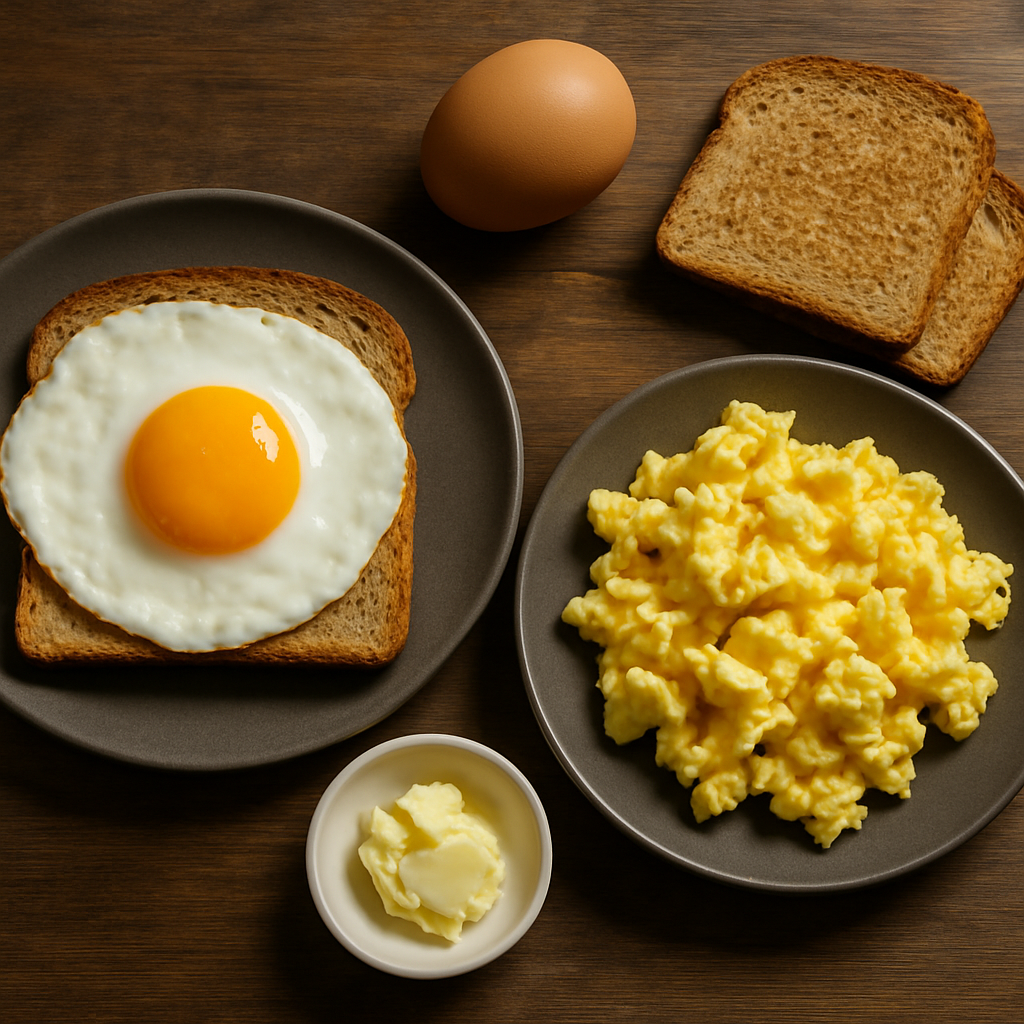
Comparing Calories in Scrambled and Fried Eggs
If you are deciding between scrambled eggs and fried eggs for your next breakfast, the nutritional differences might be smaller than expected. Both scrambled and fried eggs made with similar portions—such as two large eggs and a teaspoon of olive oil—contain nearly identical calories, protein, and fat content. Whether you enjoy your eggs as part of a classic omelet or on toast, your calorie intake will largely depend on any additional ingredients like butter or cheese, rather than the cooking method itself. In essence, calories remain similar unless external factors are introduced. For those counting calories, both eggs are versatile choices—just monitor the oil or butter added (source).
Protein Quality and Macros in Every Bite
Eggs have long been recognized as a superb source of complete protein. Whether scrambled or fried, a single large egg contains approximately 6 grams of protein, vital for muscle growth and repair. The high-quality protein content is not diminished by scrambling, nor by frying. However, nutritional information does shift if milk, mayonnaise, or cream is mixed into scrambled eggs, especially in dishes like IHOP-style scrambled eggs or hotel buffet omelets. For a healthier option, opt for minimal additions or use egg whites if cutting down fat or cholesterol.
Scrambled eggs are sometimes enhanced with ingredients like avocado, salmon, or potatoes, increasing both caloric and nutritional values in creative breakfast sandwiches or wraps. Yet the core protein in a fried egg on toast remains unchanged unless topped with extras like cheese or bacon. Choosing to include or exclude the egg yolk (for example, using only egg whites) will alter both the protein-to-fat ratio and total calorie count.
Healthy Fats and Cholesterol Facts in Egg Dishes
Eggs in their natural form provide healthy fats, and both fried and scrambled preparations retain around 5 grams of fat per large egg. The method of preparation—whether using olive oil or butter in the pan—can slightly affect total fat content per serving. Fried eggs tend to spotlight the flavor and texture of the yolk, while scrambled eggs can mask it, especially with additions like cream or butter. Dishes such as croissant sandwiches, McMuffin sandwiches, or breakfast burritos from fast food restaurants can dramatically raise the saturated fat and sodium levels depending on cooking fats and add-ons. For the healthiest results, pan-cook your eggs with a small amount of oil and pair them with nutrient-rich sides like salad or avocado rolls.
When it comes to cholesterol, each egg provides about 185 milligrams, and both methods keep this value nearly unchanged. Those with dietary cholesterol concerns may wish to use only egg whites or reduce egg yolk intake. For more detailed breakdowns, consult resources like the Nutrition Comparison Tool for side-by-side data of various cooking styles—including boiled, scrambled, and fried eggs.
Cooking Methods and Their Impact on Nutrition
The texture and palatability of eggs often come down to cooking technique. Scrambled eggs allow for great flexibility in consistency with possible additions of milk or crème fraîche, making them popular with children and those sensitive to texture. Fried eggs highlight the egg white and the chalaza, and are often best prepared with fresh eggs for a firm, non-runny white, particularly for sunny-side-up styles.
Using a nonstick pan and limiting added fats lets you control the nutrition of either dish. Classic breakfast spreads, such as eggs with toast or omelet with salad, can be made healthier by reducing oils, avoiding processed meats, and adding vegetables. Scrambled egg wraps, healthy breakfast tarts, or McMuffin-style egg sandwiches can all follow these nutrition-smart principles to keep your meal balanced.
Fast food variations, like McGriddle or hotel eggs, can significantly raise sodium and calorie content due to added ingredients or large portions. Home preparation puts you in the healthiest position to manage what goes on your plate, from mayonnaise to potatoes, smoked salmon, or simple toast.
Nutritional Versatility: From Egg Whites to Full Omelets
Whether your preference is a classic omelette, egg bhurji, or just two simple fried eggs, eggs remain an unbeatable source of nutrients such as vitamin B12, riboflavin, selenium, and the complete set of essential amino acids. Scrambled and fried eggs are both included in a variety of recipes—be it a breakfast wrap, salad, or sandwich. Egg beaters and puddings use different proportions of egg components, shifting their nutrition further.
Innovative dishes like egg puff or three-bite starbucks-style egg cups bring unique textures and flavors to breakfast, but always bear in mind basic calories and nutrient composition. Egg council guides and nutritional breakdowns by organizations in Australia and North America consistently affirm the health benefits of eggs, especially when enjoyed with nutrient-dense sides and controlled portions.
Overall, whether you opt for scrambled or fried eggs on your next healthy salad, small croissant, or even as a breakfast tart, the nutrition is nearly identical—just mind the toppings, cooking fats, and serving size to meet your dietary needs.
This knowledge allows for confident, informed choices about including eggs in any meal, whether for breakfast at home, brunch at a hotel, or a quick bite from your favorite fast food spot.


Comments
Post a Comment