What to Know About Hair Loss During Weight Loss in Perimenopause and Shedding Symptoms
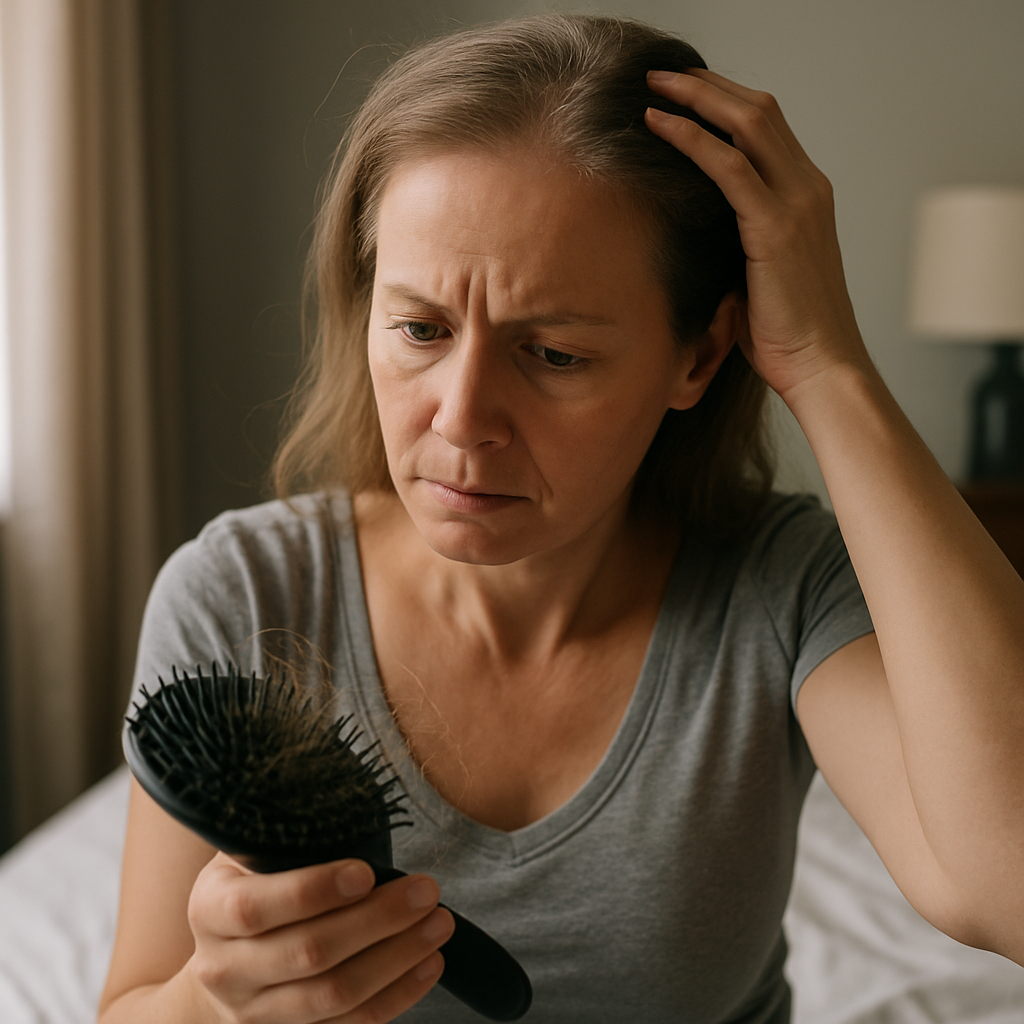
Understanding Shedding and Hair Loss During Major Weight Changes
If you are experiencing more shedding and hair fall while losing weight, you are not alone—hair loss during weight loss is a well-documented phenomenon, especially for women in perimenopause or experiencing hormonal fluctuations. Rapid or significant weight reduction can disrupt nutrient balance and cause physical stress, often triggering a temporary condition called telogen effluvium. This shift pushes more hair follicles than normal into the resting phase, leading to noticeable thinning and excessive shedding soon after starting a new diet or weight loss program. While alarming, most cases are reversible and directly related to underlying changes in nutrition, calorie intake, or hormone shifts tied to perimenopause. It is essential to identify the cause and address both the root factors and your overall health, rather than simply masking symptoms.
How Nutrient Shortfalls and Rapid Loss Trigger Shedding
Many popular diets or weight loss approaches, especially those that restrict whole food groups or dramatically reduce calories, can lead to deficiencies in protein, iron, biotin, zinc, and other essential nutrients required for normal hair growth. Women navigating perimenopause are especially vulnerable, as hormonal changes can amplify the impact of any dietary gaps. Hair loss during this period is commonly associated with lower estrogen levels, which can slow growth cycles and make hair thinner and more likely to fall out.
Shedding can accelerate if your weight loss method relies heavily on meal replacements, extreme fasting, or only focuses on calorie reduction, neglecting vital micronutrients. Studies have demonstrated that weight loss surgery, such as sleeve gastrectomy, carries a significant risk: up to 56% of patients experience marked hair loss, often due to insufficient protein or mineral intake (Healthline).
Even when following a seemingly balanced plan, quick loss can shock the body, sending signals of physical stress that encourage follicles to stop growing. Recognizing the link between abrupt dietary shifts and increased hair shedding is the first step in regaining healthy hair.
Stress—physiological and emotional—also contributes to hair thinning. Perimenopausal symptoms like fatigue, sleep disruption, and anxiety can magnify the problem, particularly when paired with strict diets. Lifestyle choices during weight loss, including supplement use or certain medications, may further influence hair health in this stage of life.
Hormonal Fluctuations and Their Impact on Hair Health
In perimenopause, shifting reproductive hormones are a core reason women notice hair losing its strength or density. Lower estrogen and relative increases in androgens (male hormones) can result in thinning and may exacerbate the effects of weight loss on shedding. Hormonally driven hair loss often appears as diffuse thinning across the scalp, rather than patchy bald spots.
When weight loss is layered on top of perimenopausal transitions, the combined impact can feel dramatic. The body's resources are diverted toward maintaining essential functions, sometimes at the expense of "less critical" processes like hair growth. Issues like dry scalp, increased brittleness, and slower regrowth are common, especially if compounded by hot flashes, night sweats, or other typical perimenopausal symptoms.
It's important to differentiate between the type of hair fall associated with perimenopausal hormonal patterns and that related to acute stress or nutrition. If the timing of hair loss coincides with changes in medication or the beginning of weight loss, telogen effluvium is likely to blame (Baylor College of Medicine). For more persistent or pattern-based thinning, hormonal shifts or genetic factors may play a bigger role.
Some oral medications used for perimenopausal symptom control or for weight management—such as bupropion, lamotrigine, or even certain over-the-counter supplements—also have potential side effects involving hair health. Always review new symptoms with a qualified provider.
Key Lifestyle and Diet Factors Driving Shedding
Quick weight reduction, nutrient-poor diets, and extended calorie deficits all raise the risk for increased hair fall. Protein is essential for strong hair shaft growth; low protein intake—especially common in restrictive eating patterns or after bariatric surgery—undermines hair structure and regrowth. Deficiencies in iron or B vitamins, often overlooked in non-meat or plant-based diets, can slow follicle recovery.
Using certain topical products marketed for hair health, such as nioxin, kerastase, or olaplex, may provide temporary softness or volume, but will not counteract shedding from internal nutrient loss. Similarly, adding isolated "superfoods" like matcha or taurine will not reverse root causes of hair loss if the overall diet lacks diversity and proper balance.
It's also important to recognize that some supplement trends—like berberine or collagen powders—do not replace the need for a complete food-based approach. Individuals in perimenopause should aim for adequate hydration, a variety of protein sources, and regular micronutrient monitoring to help protect their hair during weight loss transitions.
Prevention and Promotion of Hair Regrowth: What Works?
The most effective way to prevent and manage hair loss during weight loss is by planning sustainable, gradual changes—aiming for steady progress rather than rapid results. Focus your diet on protein-rich foods, healthy fats, and a rainbow of vegetables to cover vitamin and mineral needs. If you are considering medications or have a history of hormonal issues, coordinate any dietary shifts with your healthcare provider.
Avoid excessive heat styling, tight ponytails, or harsh chemical treatments when your hair is already stressed. Simple self-care—like gentle washing, infrequent use of drying products, and scalp massages—can help reduce breakage and support regrowth over time (Dina Strachan, MD).
Monitor for ongoing symptoms such as pronounced fatigue, continued thinning, or visible bald spots. These could signal a deeper health issue, such as thyroid dysfunction or significant protein loss. If hair loss persists for more than six months, seek a full assessment.
Restoring hair health often requires patience; the follicles may take months to recover after addressing diet and hormonal balance. In some cases, therapies such as PRP (platelet-rich plasma) or minoxidil may be recommended under medical guidance to accelerate regrowth.
When to See a Provider: Warning Signs and Recovery Tips
If at any stage you notice rapid, patchy loss, or associated symptoms like extreme fatigue, new medication side effects, or perimenopausal changes, it is essential to consult a healthcare professional. Self-diagnosing hair loss—especially during complex transitions like perimenopause or sudden weight shifts—carries risks.
Work with a registered dietitian or physician to measure key nutrients (like ferritin, vitamin D, and zinc), review your supplement use, and potentially adjust your weight loss strategy. For persistent or severe patterns, specialized treatments for menopause-related hair conditions may be appropriate, with options including certain medications or, rarely, referral to a dermatologist specializing in hair health.
In summary, combining sustainable nutrition, careful observation of perimenopausal symptoms, and prompt action when new shedding occurs gives you the best chance at successful regrowth and ongoing hair health during weight loss.


Comments
Post a Comment