What Are the Different Types of Tropical Leaves in Real Gold, Dark, and Olive Plants?
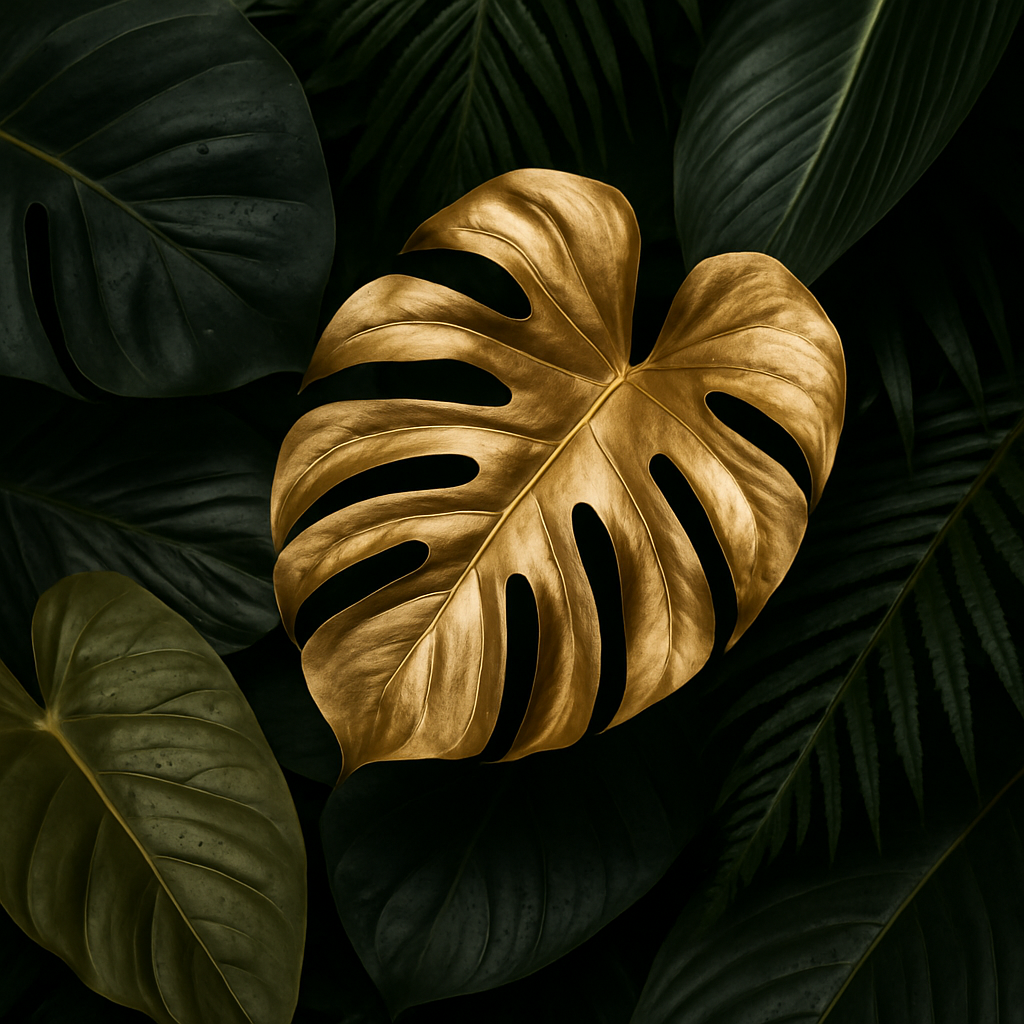
Understanding the Diversity of Tropical Leaves: Real Gold, Dark, and Olive Hues
When exploring the world of tropical plants, you will immediately notice the remarkable diversity present in their leaves—ranging from brilliant golds to deep dark greens and subtle olive shades. This spectrum is more than just visual appeal; each leaf type has unique characteristics, including shapes, textures, and even flowering potential. In this guide, you will discover the main categories and plant names associated with these extraordinary varieties, quickly gaining clarity on what makes each stand out (source).
Gold-Toned Tropical Leaves: Standout Varieties and Significance
Tropical plants with real gold leaves are often highly prized for their vibrant color that can brighten any landscape. A notable example is the Gold Dust Dracaena (Dracaena surculosa), which features green leaves speckled with golden dots. Its distinctive foliage is not only beautiful but also easy to maintain as a houseplant or patio accent. Cordylines such as 'Electric Pink' can display gold and pink striations, adding further variety (source).
Golden leaves may indicate new growth or be present year-round, depending on the species. Their high visibility makes them a focal point in garden designs. In mixed borders, these plants contrast well with darker foliage, bringing a dynamic and uplifting energy to shady corners. When planted alongside deep green or dark-leafed companions, their vivid color stands out dramatically, making any space feel more vibrant.
To keep gold-leafed plants healthy, provide filtered light and consistent watering. While some varieties like Dracaena tolerate low light, the best color emerges in partly shaded conditions. Avoid overwatering, as these plants generally prefer moderate soil moisture.
Dark Foliage: Dramatic Presence with Black and Deep Green Leaves
Dark-leafed tropical plants are valued for their intensely colored foliage that brings contrast and sophistication to plant displays. Alocasia 'Black Velvet', for instance, features nearly black, velvety leaves with silver veins. Similarly, Black Mondo Grass (Ophiopogon planiscapus 'Nigrescens') presents slender leaves in a dramatic black-purple hue, making it a favorite for edging pathways and garden beds (source).
Canna lilies with dark leaves, such as 'Australia', showcase rich, reddish-black foliage paired with bright flowers. These combinations ensure visual interest throughout the growing season. The depth of color in these plants not only provides a bold backdrop for lighter flowers and leaves but also absorbs and reflects sunlight uniquely, sometimes creating a subtle iridescent effect.
Dark-leafed varieties often thrive in full sun to partial shade and require similar watering as their lighter counterparts. The contrast they bring is especially pronounced in modern and minimalist garden designs.
To highlight their dramatic coloring, combine these plants with gold or silver-foliaged species. The mix of textures and colors results in a more layered, visually engaging environment.
Olive and Silver-Toned Leaves: Subtlety and Texture in Tropical Gardens
Olive-colored tropical leaves contribute a sophisticated, subdued element to plant groupings. Many Cordyline hybrids such as 'Electric Star' exhibit green with brown or olive stripes, while other plants, like some Begonias, offer silver-tinged or olive-green foliage (source).
These tones blend well in both classic and contemporary landscapes. Olive and silver leaves can soften garden compositions, bridging the gap between gold and dark foliage. Their subtlety allows for layering and contrast without overwhelming neighboring specimens.
Plants with olive or silver leaves are often more tolerant of sun than darker types. For example, Mondo Grass varieties range from deep green to silvery forms, and their adaptability makes them suitable for borders and groundcover roles.
Proper care for these species typically involves well-drained soil, average watering, and some morning or filtered sun. Healthy olive and silver foliage can enhance flower colors and add year-round interest.
Use olive and silver-leafed plants in mixed planters or as underplantings for larger tropicals. Their calming tones offer excellent background support for bolder specimens.
Long and Narrow Leaf Forms: Function and Ornamental Value
Many tropical plants feature long, slender leaves, such as those seen on Dracaena and Mondo Grass. These linear forms add architectural structure to gardens and can create striking lines when grouped or planted as hedges (source).
Dracaenas are especially popular as indoor plants, growing upright with strap-like foliage that comes in a variety of colors. Mondo Grass, available in green, black, and silver types, serves as both groundcover and border plant, showcasing versatility and year-round interest.
These leaf forms are often low maintenance, suited for filtered sunlight, and tolerant of infrequent watering. Their upright habit creates vertical movement, keeping plant beds visually refreshing and dynamic.
Flowering Tropical Species with Distinctive Leaves
Several tropical plants combine beautiful leaves with vibrant flowers for a double impact. Cannas, for instance, are prized for both their foliage—ranging from dark to green to striped—and their bold summer blooms (source).
Begonias also offer an array of leaf shapes and colors alongside pink, white, or red flowers. Their adaptability makes them a favorite for containers and shaded beds, where their patterns and blossoms make a significant statement.
To maximize showiness, plant these species where their leaves will catch morning light or act as a backdrop to brighter flowering companions. Regular pruning and moderate feeding help sustain both vibrant foliage and prolific blooms throughout the growing season.
In summary, by focusing on real gold, dark, and olive leaf varieties—and understanding their care requirements—you can create a visually rich, texturally diverse tropical garden or indoor display that thrives throughout the year.


Comments
Post a Comment