Iron Supplements: 15 Signs You Are Deficient, Treatment Options, and Benefits Explained
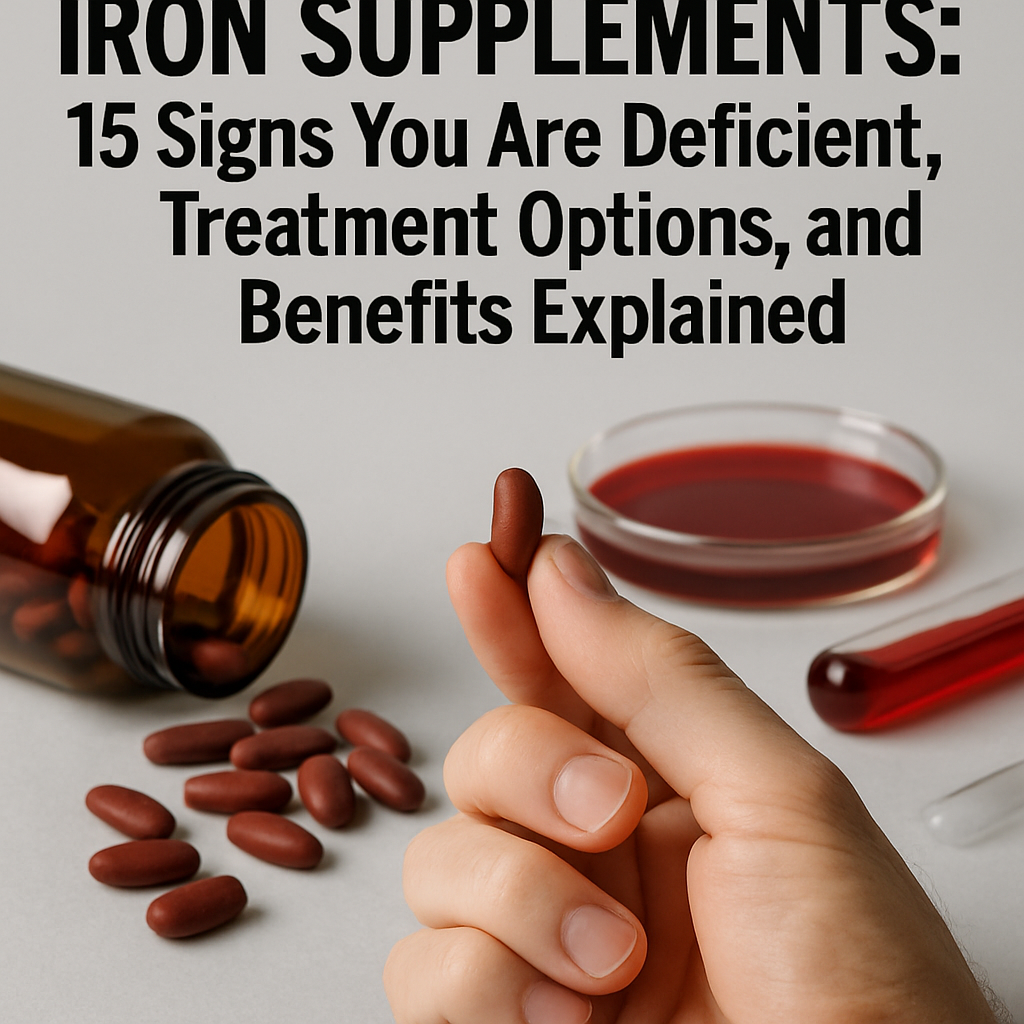
If you are frequently tired, pale, or experiencing unusual cravings, it may be time to consider your iron status. Iron deficiency is widespread and can exist even before anemia develops, with symptoms ranging from the obvious to the surprisingly subtle. Iron supplements are often the first line of treatment, but knowing the signs you may need them—and understanding their benefits—is essential for effective management and recovery. Below, discover the 15 most common signs you are deficient, modern treatment approaches, and the multiple advantages proper iron supplementation offers.
Recognizing the 15 Most Important Signs of Iron Deficiency
- Persistent Fatigue: Chronic exhaustion is a hallmark symptom when red blood cells cannot transport enough oxygen.
- Pale Skin or Pale Eyes: Noticeably lighter skin or the whites of your eyes appearing pale can signal iron deficiency (AMA).
- Shortness of Breath: Even mild activity can leave you winded if your body struggles to carry oxygen efficiently.
- Heart Palpitations: A rapid or irregular heartbeat is the body’s way of compensating for low oxygen delivery.
- Unusual Cravings: Some experience cravings for non-nutritive items like ice or clay—a condition called pica.
- Headaches and Dizziness: Reduced brain oxygenation can lead to frequent headaches or spells of dizziness.
- Brittle Nails: Nails that break or chip easily, sometimes becoming spoon-shaped, may indicate low iron stores.
- Restless Legs: A tingling or crawling sensation in the legs, especially at night, is closely related to iron deficiency.
- Hair Loss: A lack of sufficient iron disrupts hair growth cycles, leading to more shedding.
- Cold Hands and Feet: Poor circulation due to low hemoglobin makes extremities feel cold.
- Sore or Swollen Tongue: Smooth, inflamed tongues or mouth sores are common in iron deficiency.
- Chest Pain: Severe deficiency can strain the heart and cause chest discomfort.
- Exercise Intolerance: You may find it harder than usual to complete your normal workouts.
- Poor Immune Function: An increased number of infections is owed to a depleted immune response.
- Difficulty Concentrating: Mental fog, irritability, and trouble focusing can stem from insufficient iron.
How Iron Deficiency Is Diagnosed and Why Recognition Matters
Iron deficiency without anemia is more prevalent than many realize, and it is frequently overlooked due to non-specific symptoms. Diagnosis is not based on a single blood test, but on a combination such as measuring hemoglobin, serum ferritin, and transferrin saturation (PMC8002799). Clinical awareness is essential, as untreated iron deficiency—whether or not anemia is present—can impact overall health, energy, and even mental well-being.
Women of reproductive age, athletes, vegans, and those with certain chronic illnesses are at greater risk. Routine screening is especially recommended for high-risk populations, as addressing low iron stores early can prevent progression to full-blown anemia.
It is important to note that the underlying causes of low iron, such as blood loss, poor dietary intake, or malabsorption, should always be investigated to choose the most effective treatment.
If you recognize several of these symptoms and fall within a higher-risk group, discuss your concerns with your provider for targeted testing and a tailored plan.
Iron Supplement Treatment Options and How to Use Them Safely
Treatment for iron deficiency usually starts with dietary modifications and oral iron supplements. The most common form—ferrous sulfate, often in doses like 325 mg—can replenish iron stores over several months. Your doctor may recommend taking it on an empty stomach for best absorption, though some tolerate it better with food.
Some individuals experience side effects, such as nausea, constipation, or dark stools (Cleveland Clinic). If so, your provider might suggest dose adjustments or switch you to a different formula, such as ferrous gluconate or iron polysaccharide complex, which may be gentler on the stomach.
In severe cases or when oral iron is poorly tolerated or absorbed, intravenous iron infusions are available. These can correct deficiencies more rapidly but must be administered under medical supervision.
Always follow your provider's directions, as unnecessary iron supplementation can cause toxicity or mask other conditions. Never self-prescribe large doses unless guided by appropriate laboratory testing.
Key Benefits of Adequate Iron Supplementation to Health and Daily Life
When used appropriately, iron supplementation restores energy, improves concentration, and strengthens immune function. As red blood cell production normalizes, symptoms such as fatigue, paleness, and exercise intolerance usually resolve.
Additional benefits include a reduction in headaches, improved mood, healthier nails and hair, and the return of a normal appetite. In the long term, optimizing iron status can support cardiovascular health and prevent complications associated with chronic deficiency.
Both men and women experience these benefits, although replenishment typically takes longer for those starting from severely low levels or with ongoing blood loss issues.
It is also important to remember that improvement is gradual. Most people notice some positive effects within a few weeks, but complete resolution may take a few months, especially if you began treatment with low ferritin levels.
Beyond symptom relief, ensuring optimal iron levels helps prevent recurrence of deficiency and guards against further complications.
Strategies to Maintain Iron Levels and Support Recovery
Prevention is possible with the right dietary choices and by addressing any underlying causes of blood loss. Consuming foods naturally high in iron is essential—good options include lean red meat, poultry, seafood, legumes, leafy greens, and iron-fortified cereals.
Pairing iron-rich foods with vitamin C sources, such as citrus fruits or bell peppers, can boost absorption. Reducing intake of tea, coffee, and calcium during main meals can also make dietary iron more available.
For those on supplements, it is critical to monitor progress. Regular follow-up blood tests ensure your ferritin and hemoglobin levels are returning to target ranges, and help avoid overtreatment.
Finally, those with chronic health conditions or complicated circumstances should check in with their healthcare team regularly, making iron an integrated part of ongoing care rather than a stand-alone solution.
By understanding and responding to the early signs of iron deficiency and making smart choices with supplementation, you can protect your health and regain your energy for everyday life.


Comments
Post a Comment