Polyphenols Benefits Skin: Acne, Dark Spots, and Care Products for Radiant Results
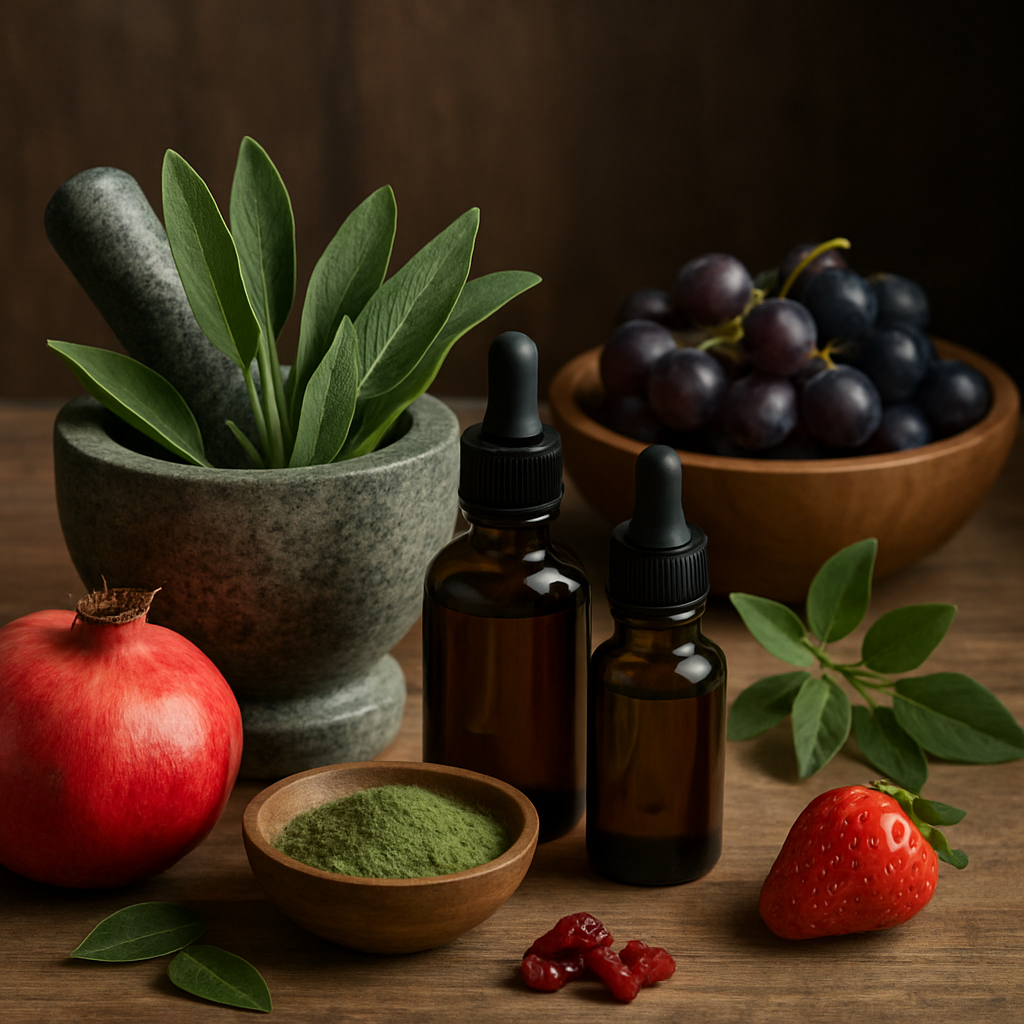
Polyphenols are natural compounds found abundantly in fruits, vegetables, green tea, and chocolate, and research supports their ability to promote skin health, especially for concerns like acne, dark spots, and visible radiance. Their potent antioxidant and anti-inflammatory properties help reduce oxidative stress and improve the skin's appearance. Using polyphenol-rich skincare products and incorporating these nutrients in your diet can support a more vibrant, even-toned complexion by targeting root causes of skin issues.
How Polyphenols Address Skin Issues and Promote Clarity
Polyphenols combat the effects of reactive oxygen species (ROS), which are linked to premature aging and inflammation in the skin. By neutralizing free radicals, these compounds minimize cellular damage and reduce redness, making them valuable for those struggling with acne and irritation. They have also been shown to modulate inflammatory markers, leading to less pronounced breakouts and smoother skin texture.
Dietary polyphenols can influence systemic inflammation and hormonal balance, both of which play a role in the skin's clarity. Regular intake of foods high in these compounds – such as green tea, berries, and dark chocolate – has been associated with more luminous, even skin. Polyphenols' ability to improve blood flow further enhances the delivery of nutrients to skin cells, supporting their health from within.
Topical application of polyphenol-rich products, particularly those featuring green tea extract, can directly deliver these benefits to the skin. Such products often help temper oil production, calm existing blemishes, and prevent future breakouts.
Addressing Dark Spots and Promoting an Even Skin Tone
Polyphenols are also praised for their potential to reduce hyperpigmentation, including stubborn dark spots. They interfere with melanin production through various biochemical pathways, which helps to gradually fade discoloration. Quercetin and resveratrol, two well-studied polyphenols, have been linked to a reduction in UV-induced pigmentation when used in topical formulations.
Antioxidant action is at the core of this benefit: by limiting oxidative damage following sun exposure, polyphenols are thought to minimize the risk of sun spots and boost overall radiance. Some evidence further suggests polyphenols can reinforce the skin's barrier, improving its resilience against pollutants that often contribute to uneven tone. Dietary sources, such as richly colored berries and green tea, can be particularly effective.
For best results, a combined approach involving both polyphenol-rich foods and targeted skincare enhances the body's ability to recover from environmental stressors and keep pigmentation in check.
To learn more, consult this PubMed review of polyphenol benefits, which highlights mechanisms for skin and systemic health.
Choosing and Using Polyphenol Care Products Effectively
Modern skincare products are increasingly formulated with green tea polyphenols, resveratrol, and other botanical antioxidants for their skin-brightening effects. When selecting polyphenol creams for dark spots or acne, look for ingredient lists naming specific compounds or extracts (such as EGCG from green tea or grape seed extract).
Application is best after cleansing and before heavier moisturizers to ensure deeper penetration. For sensitive skin, start with products containing lower concentrations, increasing gradually to assess tolerance.
Those seeking to address multiple skin concerns may also consider combining polyphenol products with other actives such as vitamin C or niacinamide, always patch-testing for compatibility. Consumers often report visible improvements in skin smoothness and tone within several weeks of consistent use.
If you are curious how dietary polyphenols work systemically, this review article details the broad biochemical influences of plant compounds, including their role in overall skin health.
Synergy Between Diet and Topical Polyphenols for Visible Skin Results
Incorporating both oral and topical sources of polyphenols provides a synergistic effect, encouraging healthier and more resilient skin. Fruits, vegetables, and green tea can bolster the body's defenses, while topical application delivers antioxidants directly to affected areas. This combined approach is especially beneficial for persistent issues like acne and pigmentation.
Eating a variety of polyphenol-rich foods, such as berries, apples, spinach, and cocoa, ensures ongoing antioxidant delivery and may help stabilize hormonal fluctuations that manifest on the skin. Some individuals see the best outcomes with a simple routine that pairs daily green tea consumption with a nighttime polyphenol serum or cream.
The gut microbiome's ability to convert dietary polyphenols into highly active compounds further enhances their impact on skin, reinforcing a strong inside-and-out strategy for skin wellness.
Emerging Insights: Innovations in Polyphenol-Based Skincare
Advances in formulation science have led to more stable and potent polyphenol preparations for skincare, increasing both absorption and efficacy. Encapsulation technologies, for example, protect sensitive polyphenols from oxidation until they are delivered to the skin. Some brands also blend multiple plant extracts for broader antioxidant coverage, which may provide enhanced protective benefits over single-compound products.
Researchers continue to explore polyphenols' potential beyond cosmetic uses, investigating their role in healing wounds and supporting the skin's microbiome. While results are promising, ongoing studies seek to determine optimal dosages and combinations for maximum results with minimal side effects.
As consumer awareness grows, demand for high-quality polyphenol-based formulations is likely to increase, especially among those with recurring skin challenges or sensitivity to conventional actives. Following credible research and using well-established products help maximize the therapeutic potential of polyphenols for skin health.
Embracing polyphenol-rich habits – both in diet and topical care – can deliver meaningful improvement in acne, dark spots, and skin vibrancy, offering a gentle and effective path to radiant skin.


Comments
Post a Comment