Signs Of Zinc Deficiency In Females: Symptoms, Skin Changes, and Treatment Insights
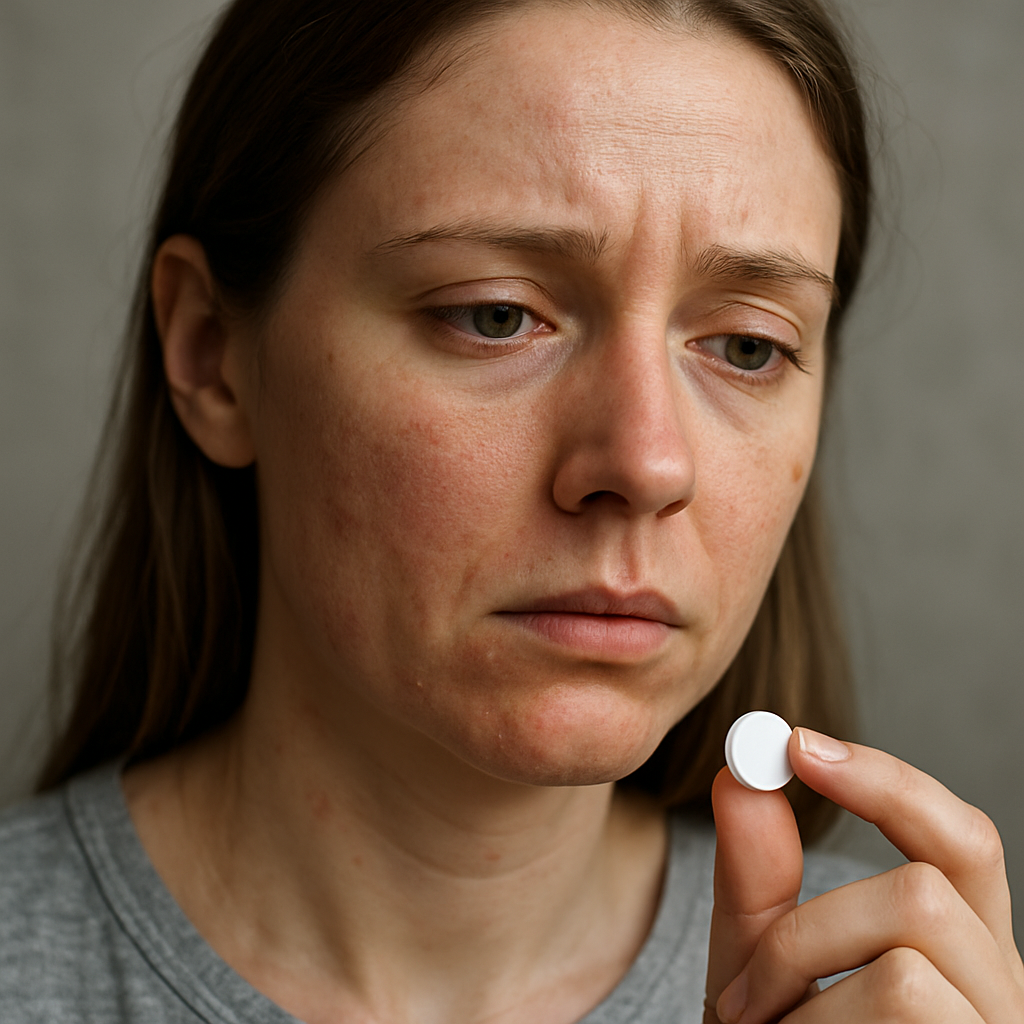
Understanding Zinc Shortfalls in Women: Immediate Symptoms and What to Watch For
Zinc deficiency in females can lead to a range of health concerns, often manifesting in subtle yet impactful ways. Common warning signs include skin changes, persistent infections, and issues like slow wound healing. Recognizing these symptoms early is essential for prompt treatment, as your body cannot produce zinc on its own and relies entirely on dietary intake or supplements for sufficient levels. Addressing zinc deficiency promptly helps prevent complications and supports overall health. [Source]
Physical Manifestations: Hair, Nails, and Skin Clues
Women with zinc deficiency frequently see noticeable alterations in their appearance. Thinning hair or unexpected hair loss often becomes one of the most distressing signs, sometimes accompanied by brittle or slow-growing nails. In many cases, women may observe distinctive skin symptoms, such as rashes, lesions, or a persistent feeling of dryness. The skin's ability to regenerate and heal may markedly slow, causing everyday scrapes or cuts to linger longer than usual.
Beyond these visible changes, chronic zinc deficiency can make common skin problems—for example, acne or eczema—more stubborn and less responsive to standard treatments. Darkening, blotchiness, or strange sensations in the skin may also be early signals something is out of balance nutritionally.
Dermatological issues that do not respond to normal care should prompt consideration of underlying micronutrient deficiencies, with zinc being a top candidate. Early intervention with zinc-rich foods or supplements can reverse many of these changes.
Immune Function and Recurrent Infections in Women
One of zinc's most vital roles is supporting immune health. In women, recurring infections—such as colds, respiratory illnesses, or urinary tract infections—may be linked to suboptimal zinc levels. These recurrent or prolonged illnesses may not only cause discomfort but also serve as a clue that the body's defense mechanisms are weakened.
Studies show that women's immune response, especially during menstruation, pregnancy, or periods of high stress, can be particularly vulnerable to fluctuations in zinc status. When zinc is lacking, the body struggles to fight off common germs and repair tissues efficiently, making everyday illnesses more frequent.
Healthcare providers often recommend reviewing dietary habits and, if necessary, checking zinc levels for women who experience unusual patterns of infection.
This is particularly important because certain life stages and hormonal shifts increase zinc needs, compounding the risk of deficiency and its impact on immune defenses.
Addressing the root cause can rapidly restore immune resilience and reduce the frequency of bouts of illness.
Neurological and Unusual Symptoms: Fatigue and "Weird" Feelings
Beyond visible symptoms, zinc deficiency in females can present with neurological and unusual patterns. Many women report experiencing unexplained fatigue and brain fog, which may make it difficult to focus, work effectively, or manage daily responsibilities. Others cite feeling abnormally irritable, anxious, or emotionally labile without clear psychological triggers.
Some describe sensations such as tingling around the mouth or face, or noticing their facial expressions appear "weird" or less natural in the mirror, which might be a reflection of underlying facial muscle weakness or mild nerve symptoms associated with reduced zinc intake.
Zinc is also integral to neurotransmitter regulation and brain health; persistent deficiency can therefore amplify stress response, worsen sleep quality, and affect mood stability. For women already dealing with hormonal fluctuations, these subtle neurological shifts can greatly impact well-being.
Diagnosing and Treating Zinc Deficiency: Female-Specific Considerations
Clinicians diagnose zinc deficiency by carefully reviewing dietary habits, symptoms, medical conditions, and—when necessary—laboratory testing. Women presenting with skin changes that do not resolve, frequent infections, or unexplained neurologic symptoms should consult their healthcare provider for assessment. [Reference]
Treatment involves increasing dietary zinc via foods such as red meat, shellfish, nuts, seeds, and legumes. For women unable to achieve sufficient intakes through diet alone, healthcare providers may recommend supervised zinc supplementation. Dose and duration are tailored to individual needs, as overtreatment may cause side effects or interfere with absorption of other minerals.
Addressing underlying causes—such as malabsorption syndromes, restrictive diets, or increased physiological needs during pregnancy or breastfeeding—is also critical.
Most females experience rapid improvement in symptoms after correcting zinc deficiency, especially when intervention is early. Regular follow-up ensures women maintain healthy zinc levels without risking excess.
For more in-depth medical guidance and treatment, consult resources like the Cleveland Clinic and NCBI Book on Zinc Deficiency.
Prevention and Long-Term Well-Being for Women
Preventing zinc deficiency is often straightforward with balanced nutrition and periodic health checkups. Women should aim for a varied diet including good sources of zinc, especially during life stages where requirements are higher—such as adolescence, pregnancy, lactation, or recovery from illness. Reading food labels, preparing home-cooked meals, and considering professional dietary guidance all aid long-term wellness.
For those with restrictive diets or health conditions that impair absorption, individual supplementation plans may be necessary. Staying educated about zinc's importance and acting on early signs of deficiency help women safeguard their health and maintain vibrant skin, hair, and immune function throughout life.
Confirming and managing zinc status is especially important for women, as deficiency can influence everything from appearance and energy to immune protection and neurological balance.
Taking proactive steps ensures zinc deficiency does not compromise day-to-day quality of life.


Comments
Post a Comment