Is Vitamin K Potassium? Understanding Magnesium Glycinate and Citrate Absorption
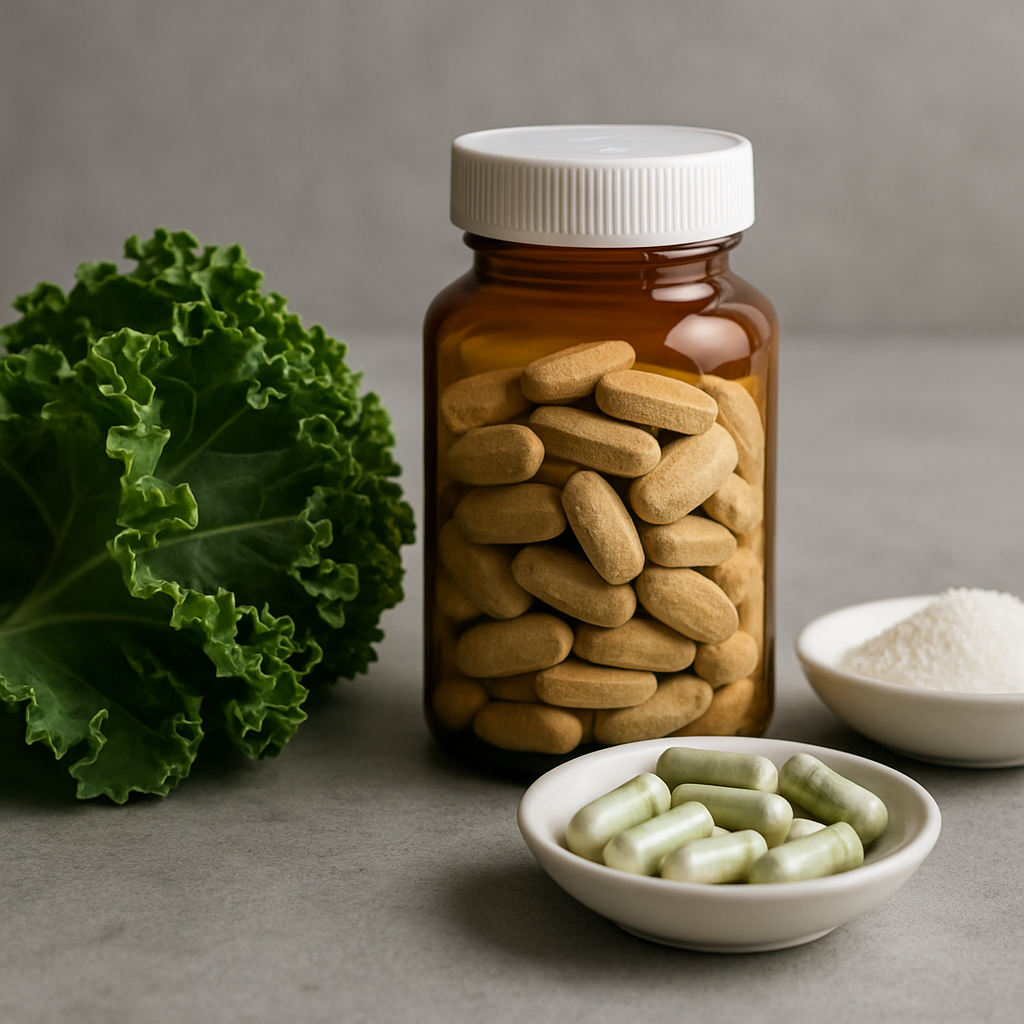
No, vitamin K and potassium are entirely different nutrients, each essential for specific aspects of health. While vitamin K plays a critical role in blood clotting and bone metabolism, potassium is an electrolyte necessary for muscle function and heart health. The confusion often arises due to their similar-sounding names and the fact that both are vital micronutrients. If you are considering magnesium glycinate supplements or want to improve the absorption percentage of minerals like iron or magnesium citrate, it’s important to distinguish between these nutrients and their specific roles in your body.
The Differences Between Vitamin K and Potassium in Body Function
Vitamin K is a fat-soluble vitamin essential for activating proteins that allow your blood to clot normally. If you lack vitamin K, even minor injuries can lead to excessive bleeding because your body cannot form clots effectively. Dietary sources include leafy greens and certain plant-based foods. On the other hand, potassium is a mineral and electrolyte. It helps keep your heart beating regularly, supports muscle contractions, and assists with nerve signaling.
Magnesium glycinate is widely recognized for its gentle absorption and synergy with other minerals. However, it does not interact with vitamin K or potassium in a way that would inhibit their effectiveness when taken together or as part of a balanced supplement routine. It is also important to avoid confusing vitamin K with potassium — their mechanisms of action, dietary sources, and roles in health are distinct.
If you’re supplementing with minerals or vitamins, understanding these differences helps optimize nutrient intake and avoid misinterpretations. Especially for those managing plant deficiency symptoms or at risk of low calcium or iron levels, knowing how to support bioavailability matters.
Interactions: Magnesium Glycinate, Citrate, and Iron Absorption
Many people wonder about the absorption percentage of magnesium citrate versus magnesium glycinate, particularly in the context of overall mineral supplementation. According to Verywell Health, magnesium glycinate's chelated form tends to be more easily absorbed and gentle on the stomach.
Magnesium and iron, when taken together, can potentially compete for absorption. Studies show that iron is best absorbed on an empty stomach, whereas magnesium (especially magnesium glycinate or citrate) should typically be taken with meals to minimize stomach upset. Taking iron and magnesium supplements together may reduce the absorption of both, particularly with higher doses or less bioavailable forms such as magnesium oxide. To maximize bioavailability and treatment efficacy, it is generally best to separate these supplements by two hours or more, as confirmed in health.com clinical recommendations.
Ultimately, while neither vitamin K nor potassium directly affects this mineral interaction, being mindful of timing helps support optimal nutrient uptake.
What Affects the Bioavailability of Potassium and Vitamin K?
Bioavailability refers to how much of a nutrient your body can absorb and use. Mineral interactions, overall diet composition, and supplement formulation all have a major impact. For instance, calcium (found in dairy products) can decrease the absorption of iron, while high-salt intake can increase potassium losses through the urine. Similarly, plant-based sources of vitamin K (especially from leafy greens) tend to have lower absorption compared to animal-based sources due to their binding with plant fibers.
Some forms, like magnesium glycinate and magnesium citrate, are preferred in supplement form because they have a higher absorption percentage compared to other options such as magnesium oxide. Choosing high-bioavailability forms and taking them according to best practices — for example, iron on an empty stomach, magnesium with a meal — supports overall nutritional status.
For those concerned with effects on ferritin levels or calcium absorption, separating iron supplements from dairy and calcium-rich foods remains key. Vitamin D also works hand-in-hand with calcium, but has no direct link with potassium or vitamin K action in the body.
Nutrient Timing and Plant Deficiency Symptoms
Timing mineral and vitamin intake correctly can improve absorption and help manage or prevent deficiency symptoms in both plants and humans. In plant biology, potassium is crucial for water regulation and photosynthesis, while vitamin K primarily functions in plant chloroplasts to support photosynthetic activity. Magnesium is another key plant mineral, working alongside potassium for overall plant health.
For people, magnesium’s timing relates to its side effects; taking it on an empty stomach increases the risk of nausea and diarrhea, especially with higher-dose or laxative forms. In contrast, iron is best absorbed on an empty stomach — yet may cause gastrointestinal discomfort. These recommendations echo the best practices for maximizing absorption percentage and minimizing side effects in supplementation, as supported by the guidance on Verywell Health.
Deficiency symptoms — such as muscle weakness, irregular heartbeat (potassium), or bleeding gums (vitamin K) — stem from improper nutrient intake or imbalances. Regularly reviewing supplement timing and forms (like magnesium glycinate) supports healthier outcomes.
Summary: Dosage, Side Effects, and Supplementation Tips
In summary, vitamin K and potassium are not the same and have separate, essential roles. When supplementing with magnesium, iron, or other nutrients, consider:
- Taking iron one hour before or two hours after meals to maximize absorption
- Avoiding dairy near iron supplements to prevent inhibition of absorption
- Choosing chelated forms like magnesium glycinate or magnesium citrate for better bioavailability
- Taking magnesium with meals to minimize gastrointestinal side effects
- Spacing magnesium and iron supplements by at least two hours if both are required
If you are pregnant, an athlete, or managing chronic health conditions, consult your healthcare provider about recommended daily intake, potential prenatal vitamins, or the best supplement form for your needs. Never hesitate to read label instructions and reference authoritative sources for the latest guidance on supplement safety and efficacy.
Always remember that vitamin K and potassium serve distinct functions, and optimal absorption of minerals such as magnesium and iron is best achieved by understanding and following individualized supplementation strategies.


Comments
Post a Comment