What Are the Red Cabbage Microgreens Benefits for Gut Health, Antioxidants, and Glucosinolates?
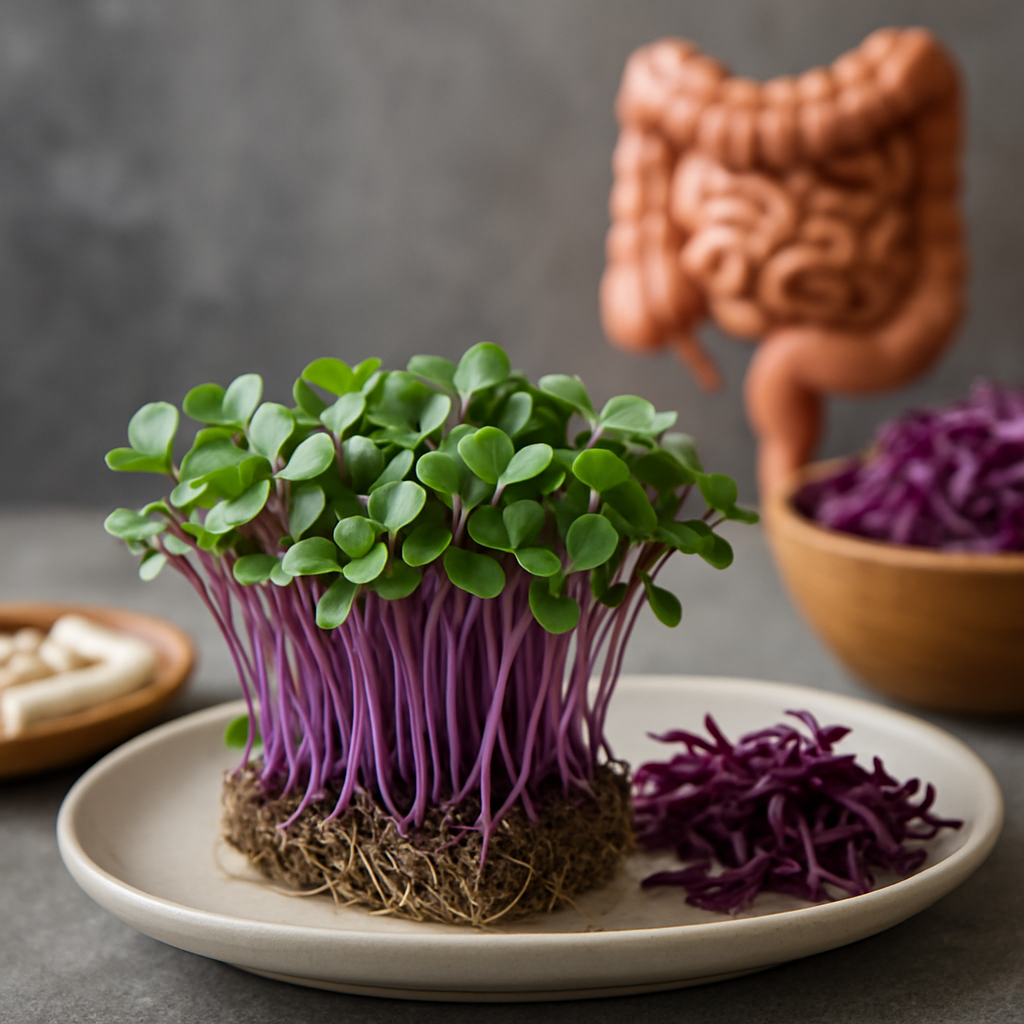
Understanding the Unique Health Advantages of Red Cabbage Microgreens
Red cabbage microgreens have emerged as a standout among microgreens for their impressive nutrition profile and health-promoting properties. Their high fiber content, along with potent compounds like glucosinolates and a wide spectrum of antioxidants, provides effective support for gut health, digestion, and overall wellbeing. In the first few days of including these purple sprouts in your diet, many people notice reduced bloating and a lighter digestive feel, making them a favorite for individuals seeking natural fermented food alternatives. Scientific studies now confirm that these tiny leaves are densely packed with nutrients that help both in daily health maintenance and in supporting the body against certain chronic conditions (source).
How Sulfur Compounds and Fiber in Red Sprouts Support Gut Microflora
Red cabbage microgreens are remarkable for their fiber and sulfur compounds, both of which play a significant role in fostering a healthy balance of gut bacteria. Fiber acts as a prebiotic, providing nourishment for beneficial microorganisms that live in the digestive tract. This, in turn, can lead to improved digestion, better nutrient absorption, and reduced symptoms of bloating or gut discomfort.
The sulfur compounds found in these vibrant microgreens contribute to healthy gut flora by promoting an environment where probiotic bacteria can thrive. Regular consumption may help in stabilizing digestive rhythms and may indirectly support immune function, given the close relationship between gut and immune health.
People who integrate red cabbage microgreens into their daily salads or juices often report an increased feeling of satiety and improved regularity, which is vital for long-term digestive comfort. These effects are particularly appreciated by those sensitive to the side effects of overly processed foods, as the gentle fiber and phytochemical profile in these leaves are well tolerated.
The Antioxidant Power of Purple Leaves: Polyphenols and Anthocyanins
Red cabbage microgreens are rich in polyphenols and anthocyanins, compounds responsible for their distinctive purple color and potent antioxidant effects. Antioxidants work by neutralizing free radicals, which can otherwise contribute to aging and oxidative stress-related diseases. Scientific research indicates that microgreen forms of red cabbage possess even higher levels of these compounds than their mature cabbage counterparts (source).
In particular, the anthocyanins in red cabbage microgreens are known to support vascular function and heart health. These molecules contribute to reduced blood pressure and better blood vessel integrity, showing promise for individuals looking to protect themselves against hypertension and cardiovascular concerns.
The abundance of polyphenols provides additional anti-inflammatory benefits. By regularly including these microgreens in meals, individuals may notice improved post-meal comfort and a decreased tendency towards inflammatory flare-ups commonly associated with some processed foods or environmental factors.
Finally, because these antioxidants are water-soluble, using red cabbage microgreens to make natural juice or as a garnish can be an effective and palatable way to boost your daily antioxidant intake, translating into broader health benefits over time.
Role of Glucosinolates: Protective Phytochemicals in Every Leaf
Among the notable health-promoting molecules in red cabbage microgreens, glucosinolates stand out for their role in cancer prevention and detoxification. When consumed, these compounds are converted by the gut microflora into bioactive substances such as sulforaphane, which has been studied for anti-cancer activity and liver support.
Eating a variety of microgreens, including red cabbage, delivers a diverse range of glucosinolates, adding depth to your body's natural detox pathways. This is especially impactful for women, who may benefit from the hormone-balancing effects these metabolites can offer—helping in estrogen metabolism and reproductive health.
Red cabbage microgreens can be incorporated easily into daily meals, ensuring a steady, low-calorie supply of these impactful compounds. For individuals sensitive to the pungency of mature cruciferous vegetables, the milder flavor of microgreens makes them a versatile and easy-to-enjoy option.
Scientific evidence supports that, compared to mature cabbage, microgreens have higher concentrations of glucosinolates. This means you can harvest significant health benefits even with small servings, which is ideal for those with limited appetite or those looking to experiment with nutrient density in their plant-based diets (research article).
Because these compounds are sensitive to heat, eating red cabbage microgreens raw—either as a salad topping, in wraps, or as a juice ingredient—helps preserve their medicinal value and maximizes their natural detoxification and protective roles.
Integrating Red Cabbage Microgreens for Everyday Health and Natural Benefits
Adding red cabbage microgreens to your daily meals offers many practical advantages. Their crisp texture and slightly sweet, mild taste blend effortlessly with both raw and cooked dishes, making them a favorite for those seeking a simple way to support their health and digestion.
They complement other health-promoting foods, such as arugula and fennel, and can be enjoyed alongside minimally processed ferments like rejuvelac or probiotic-rich dressings. This combination supports gut diversity and may even have synergistic effects in promoting a balanced internal environment.
Harvesting your own red cabbage microgreens at home is straightforward and environmentally friendly, with a smaller carbon footprint compared to transporting mature vegetables. Growing them also allows you to experiment with harvesting at peak color and nutrient density.
Given their packed phytonutrients, these microgreens are an ideal choice for people interested in boosting health with minimal effort. Regular consumption connects you directly to the benefits of antioxidants, fiber, and unique glucosinolate compounds—delivering comprehensive wellness support in every handful.
Embracing red cabbage microgreens as part of a balanced, health-focused diet is a tasty and practical step toward improved digestive harmony, stronger antioxidant defenses, and ongoing metabolic support.


Comments
Post a Comment